



Bhutan in Spring vs Autumn: Which Season Is Best for Your Trip?
 Nepal Vision Treks
 May 5, 2026
 15 Min Read
The idea of going to Bhutan is thrilling. When it comes to making the most of a holiday, it can be the difference between a good holiday and an unforgettable one. Bhutan is unlike other tourist spots.
With its controlled tourism policy, limited number of visitors, and the most seasonal nature, when you visit, everything becomes almost everything: the landscapes you will see, the festivals you will witness, the mountain peaks you will photograph, and even what you will pay. The Bhutanese tourism calendar is dominated by two seasons: spring (March to May) and autumn (September to November). Both are wonderful. However, they provide very dissimilar experiences.
Which one will suit you? We have broken down each of these key factors: weather, visibility, festivals, crowds, trekking, and cost, in a further effort to break down all the major factors so that you can plan your trip to Bhutan with confidence.
Quick Answer: Spring vs Autumn at a Glance.
In case you are in a hurry, the following is a snapshot:
- Spring (March-May): Best when there are flowers in the landscape, rhododendron forests, appreciable crowds, and a more relaxed pace. Perfect with nature lovers and photographers who are seeking colour.
- Autumn (September-November): The most favorable season is autumn because the mountain views are crystal-clear, major cultural festivals take place, stable trekking weather is ideal, and the entire Bhutanese culture is at its full glory. The season in its prime - and with reason.
In this case, we are going to dive deeper.
Travel Seasons in Bhutan: A Concise Overview.
There are actually four seasons in Bhutan, but not all of them are accessible to travelers. The monsoon (June-August) is a season characterized by heavy rain, leeches on the trails, and poor visibility. Winter (December-February) is cold, particularly in the highlands, and most mountain passes are usually closed.
That leaves spring and fall as the two golden windows, the times when the weather is cooperative, the skies clear, and Bhutan is shown in its most beautiful light. The peak activity around these seasons is geared towards tour operators, lodges, and cultural events, among others.
The clue to planning a trip that fits your travel style is understanding the difference between the two. Bhutan weather in Spring vs Autumn.
Spring Weather (March to May)
Spring in Bhutan is typified by cool, slowly rising temperatures and a scenery that awakens with colour. In March, you will still feel the chill in the mornings, especially at higher elevations, but in April and May, the days are delightfully warm. At the bottom of the valleys, where the air is cool in the mornings, temperatures range from 10 °C to 20 °C.
The catch? Spring is sometimes humid, and gives the first signs of the coming monsoon. Cloud cover is more common than in autumn, and short rainfall is not uncommon in April and May. This does not destroy the experience; the dramatic, moody skies can make for stunning photography, but it does mean the mountain views are less certain.
What lacks in spring in the clearness, it more than makes up for in colour. The rhododendron forests of Bhutan host more than 40 varieties that bloom in March and April, coloring the hillsides in bright shades of red, pink, and white. The valleys are green and blooming, rivers are full, and all the kingdom is revitalized and alive.
Autumn Weather (September to November)
Autumn is generally considered the best season in Bhutan, and the weather is a major factor in that. Once the monsoon has cleared out by the end of September, the air is crisp, dry, and extremely clear. Temperatures are pleasant, warm in the afternoons, cool and refreshing in the evenings, but very little rain.
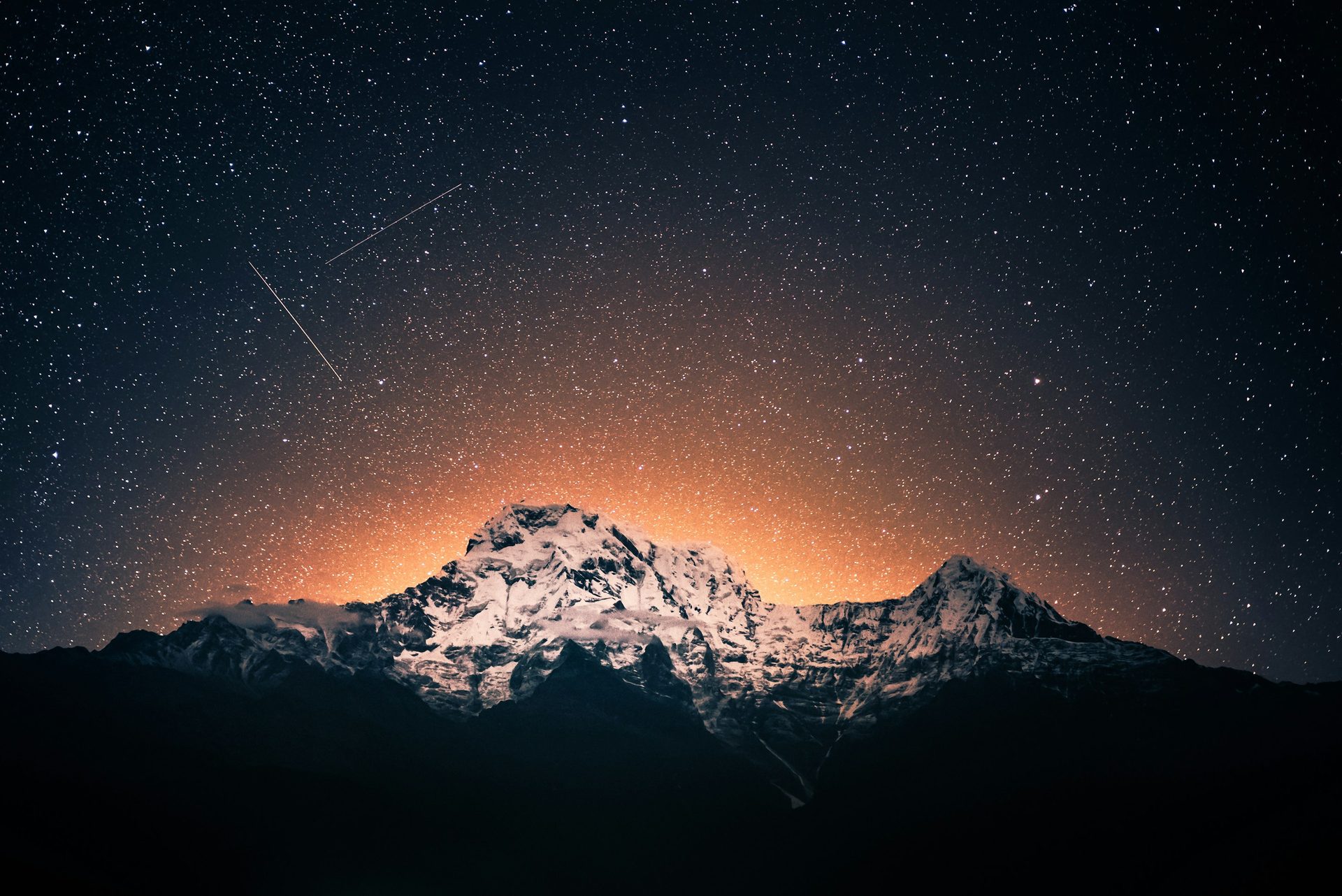
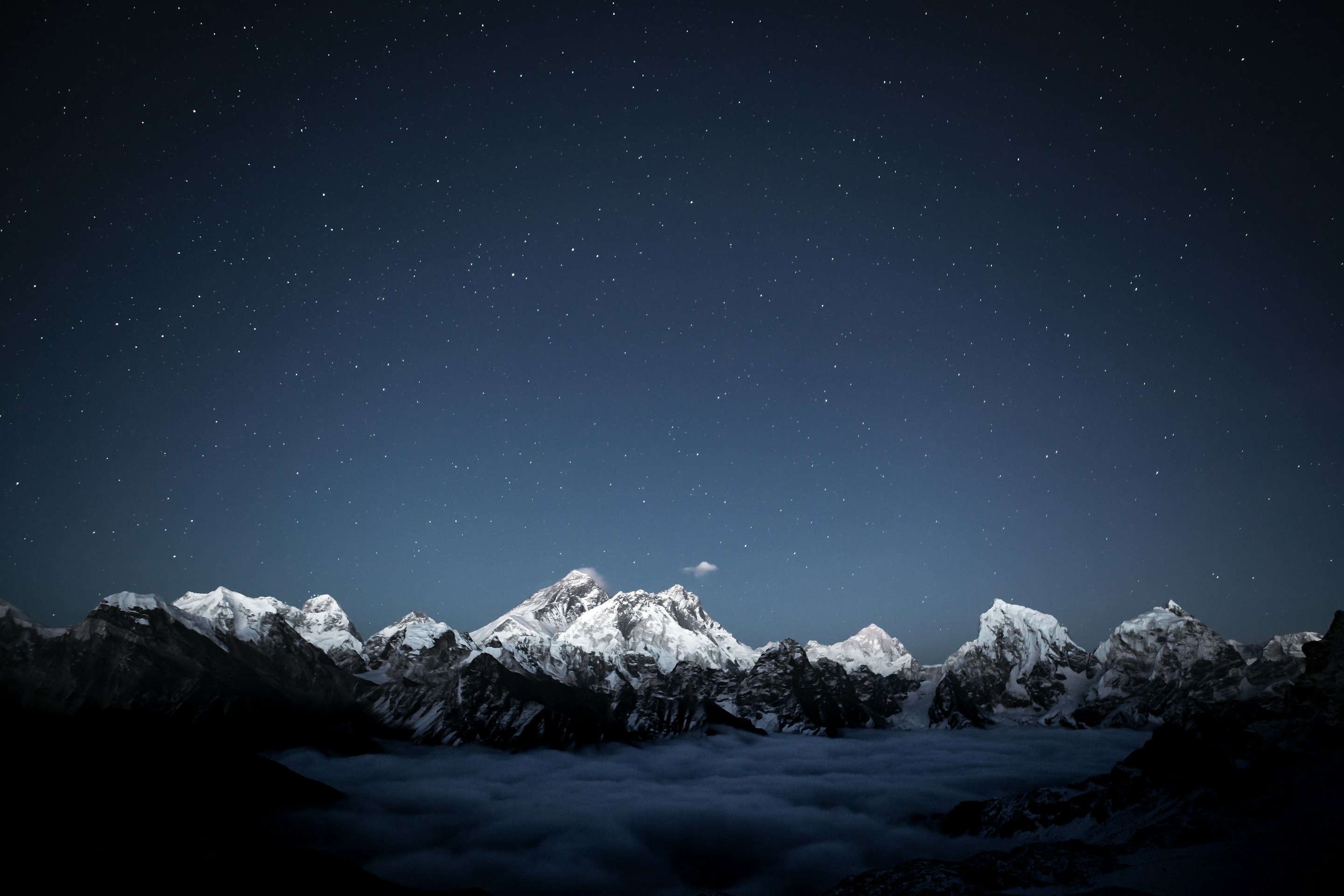
It is the time of the year that Bhutan pays your sight a visual banquet. The skies change to a dark, near electric blue. The Himalayan ranges, such as Gangkhar Puensum, the highest unclimbed mountain in the world, become very dramatic on the horizon. To photographers and mountain lovers, October is particularly magical.
In autumn, the landscape acquires a new form of beauty: the golden paddy fields, the amber light of the low sun casting long shadows on the dzong walls and along the valley bottoms. It's a painter's palette of a season.
Mountain View and Scenery of Spring Vs Autumn in Bhutan
And when the sight of the Himalayas is high on your agenda, autumn prevails. The after-monsoon clarity renders the sort of scenes that appear on the covers of travel magazines unhindered, with sharply edged mountains against bright blue skies. It is so pleasant in October and November that even the very high points, like the 108 chortens of Dochula Pass, are panoramic and leave travellers speechless.
A different type of scenic beauty is provided in spring. You will not always see distant mountains in spring haze, but you will see something just as beautiful a little nearer the ground level: carpets of wildflowers, in orchid bloom along forest paths, forested hillsides that look painted. The trade-off is not so much about quality but about what type of beauty you are attracted to.

Festivals and Culture of Spring Vs Autumn in Bhutan
Spring and autumn in Bhutan offer distinct cultural experiences; each offers vibrant festivals, seasonal traditions, and unique spiritual atmospheres.
Spring: Seasonal Celebrations and Paro Tsechu.
The festivals held in Bhutan (also called tsechus) are one of the most remarkable cultural events in Asia. They integrate masked dances, religious rituals, and community assemblages in a way that feels truly ancient and alive at the same time.
The headline event of the year in spring is the Paro Tsechu, usually held in March or April. It is among the most attended tsechus in the country, and locals and visitors alike flock to the popular Rinpung Dzong. The festival ends with the unfurling of a huge thangka (religious painting) before sunrise, a ceremony of tremendous spiritual importance to which visitors are honored to be present.
It is also during spring that smaller tsechus are held in towns such as Punakha, and the general mood is one of devotion and celebration, without the huge influx of tourists that peak season attracts.
Autumn: Thimphu Tsechu and Festival Season.
It is full stop festival season in Bhutan. The biggest and most glorious festival in the kingdom is the Thimphu Tsechu, held in September or October. The capital is transformed into a colourful festival over the three days, with tens of thousands of Bhutanese coming in to attend. The power is electrical.
Other significant fall festivals are the Wangdue Phodrang Tsechu and some smaller local events that coincide with harvest festivals across the valleys. Given that cultural immersion and observing living traditions are the primary focuses of your trip, the best time to visit Bhutan is in autumn.
Travel Experience and Level of Crowd of Spring Vs Autumn in Bhutan
The travel experience in Bhutan varies significantly between spring and autumn, with spring offering a quieter, more relaxed journey while autumn brings peak-season energy and larger crowds.
Spring: Harmonious and tranquil.
Spring is a time of medium tourist numbers, not too many that you feel that you are stampeded out of the experience. Prior bookings are, however, always a good idea, especially during Paro Tsechu, but you will have more room to maneuver with accommodation and tour timing.
The slower pace of spring travel is very conducive to the slow, thoughtful exploration. The courtyards in monasteries are peaceful. Discussions with residents are not in a rush. It is the type of travel for the spiritual atmosphere of Bhutan to sink in.
Autumn: Colorful and Hectic.
Autumn has, without a doubt, been the best season in Bhutan. The number of tourists is at its peak, especially during the month of October when tourists around the world come to hold festivals, trekking, and mountain scenery. Famous lodges, particularly in Paro and Thimphu, may be booked many months ahead.
Tour operators experience their busiest timetables, and at major places during the festival season, crowds are important.
This isn't necessarily a negative. The liveliness of fall, the buzz surrounding festival venues, the bustling market streets, the feeling of shared celebration are a part of what makes it special. Still, it does take more planning and bookings earlier as compared to spring.
Hiking and Outdoor Adventures of Spring Vs Autumn in Bhutan
Hiking and outdoor adventures in Bhutan vary by season, with spring offering lush trails and blooming landscapes, while autumn delivers stable weather and crystal-clear mountain views ideal for trekking.
Spring Trekking
The spring is the best season to trek in Bhutan, especially at lower and mid altitudes, where the trails pass through rhododendron forests that are in blossom and past the roaring waterfalls. The Druk Path Trek (between Paro and Thimphu) and the Bumdra Trek are all great spring options. The weather is not too hot, and the landscape on these roads is at its brightest.
In spring, higher altitude treks such as the Snowman Trek can be taken; more care should be taken to ensure the snow has melted off any passes where the trek is to be undertaken.
Autumn Trekking
Autumn is the gold standard for trekking in Bhutan. Combined, stable weather, clear skies, and solid and dry trails all combine to create ideal conditions, not only on valley floors, but also on high mountain passes.
The Snowman Trek, one of the most challenging and remote treks in the world, is best done in October when the conditions are most reliable. The Jomolhari Trek and Druk Path Trek also have their best season in the autumn, with mountain views that can justify all the hard-earned steps.
Should serious trekking be a significant element of your Bhutan itinerary, schedule for the autumn.
Comparison of costs Spring vs Autumn.
A Sustainable Development Fee (SDF) regime governs Bhutan and is applicable throughout the year. But apart from this fixed element, there are price differences which change with the seasons and which are worth considering.
Spring is an average price compared to autumn. It is easier to book flights into Paro (the only international airport) and accommodation rates, although continuing to be reflective of the high-value positioning of Bhutan, are generally lower than during peak season. The spring tour packages are more affordable without compromising on quality.
Autumn, and especially October, are the months that receive high prices throughout.
The high demand for limited rooms in the best lodges increases the prices, internal flights are often sold out, and tour operators are operating at full capacity. To ensure you get the most out of your autumn trip and the best rates, be sure to book your autumn trip at least four to six months in advance.
Who is to visit Bhutan in the spring?
The ideal season to visit when you are:
- An environmental enthusiast attracted to wildflowers, green woods, and majestic waterfalls.
- A photographer with the desire to capture colour, texture, and bloom, and not mountain panoramas.
- A tourist who appreciates tranquility and does not seek to explore significant places with a huge number of people.
- A first-time visitor who would like to relax into the rhythm of Bhutan but not the hustle and bustle of high season.
- An economy-conscious traveller who would like to experience the full experience of Bhutan at a slightly reduced price.
Who is to visit Bhutan in the autumn?
The best season of the year would be autumn, in case you are:
- A first-time visitor who desires to experience the traditional full Bhutan experience in one package.
- An art lover who wants to see Thimphu Tsechu or other significant cultural events.
- A mountain and landscape photographer in pursuit of brisk Himalayan scenery.
- A keen trekker who intends to explore the high altitudes, such as the Snowman or Jomolhari Treks.
- Someone who enjoys working in a high-energy environment and who is not averse to making plans ahead of time to cover the crowds.
To wrap up, both seasons truly are special. Bhutan, in any season, is superior to most of the destinations at their best. The fact is, however, that they fit various travellers.
Decide spring in case you desire colour, peace, and a warmer association with the landscapes and local life of Bhutan. The rhododendrons in themselves are worth the trip.
Autumn is the season to choose when you want to see the Bhutanese cultural and natural splendor in its full glory. It is October, though, that is as near perfection as travel is.
Whichever one you decide to do, be sure to plan in advance. Bhutan is a land that rewards the prepared, the traveler who comes with an open heart, a flexible itinerary, and a sincere interest in one of the most extraordinary kingdoms in the world.
Book your Bhutan adventure with Nepal Vision Treks for a perfectly timed journey.
FAQs
Which is better to visit Bhutan: spring or autumn?
Is spring a good time to visit Bhutan?
Why is autumn the most popular season in Bhutan?
Which season has better mountain views in Bhutan?
Is Bhutan less crowded in spring?
Which season is better for trekking in Bhutan?
Are festivals better in spring or autumn in Bhutan?
Is Bhutan cheaper in spring or autumn?
What is the weather like in Bhutan during spring?
What is the weather like in Bhutan during autumn?
When should I book a Bhutan trip for autumn travel?