Langtang Gosaikunda Trek

Langtang Gosaikunda Trek

14Days
4380mMax altitude
MediumDifficulty
$1,370per person

Overview

Langtang Gosaikunda Trek

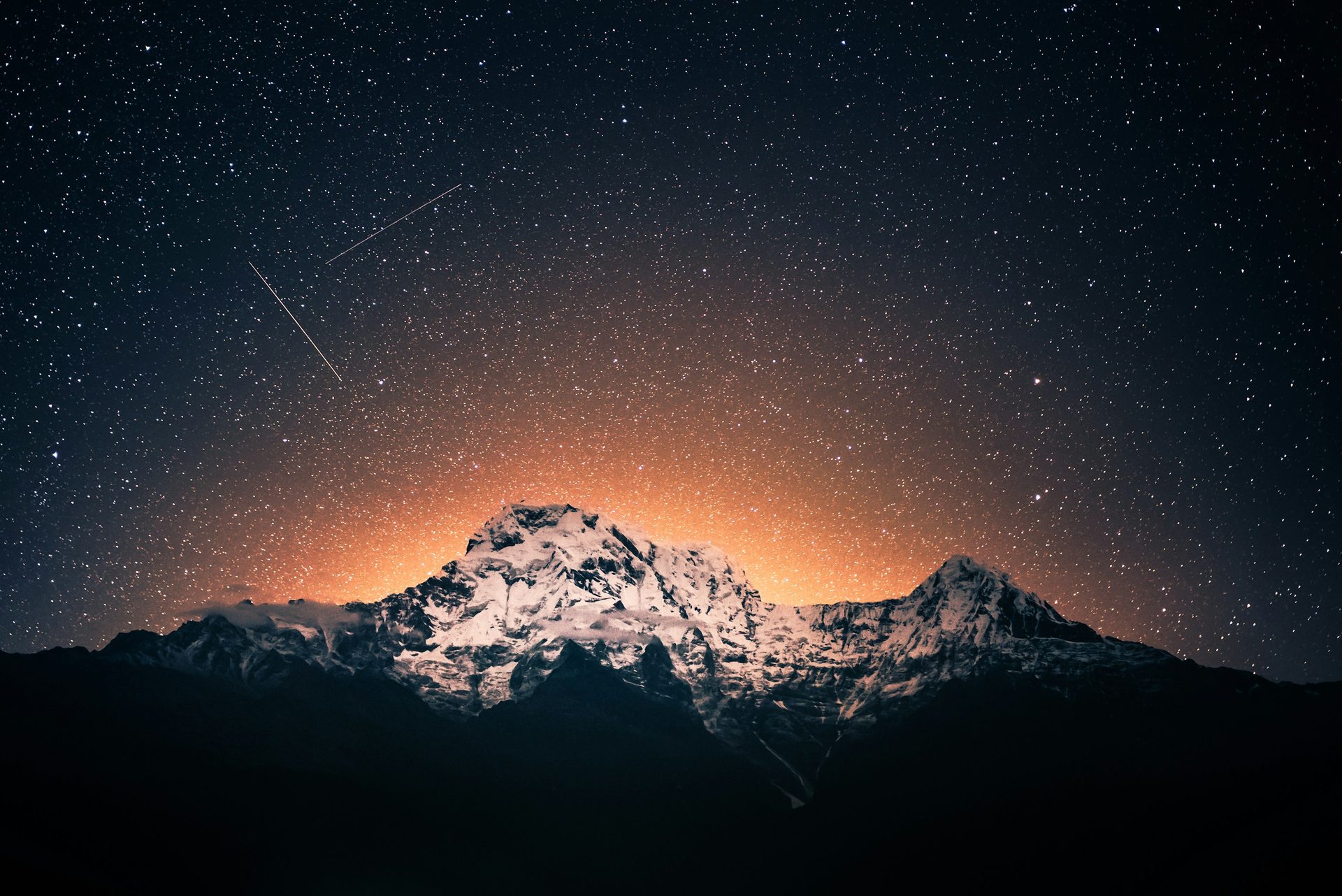
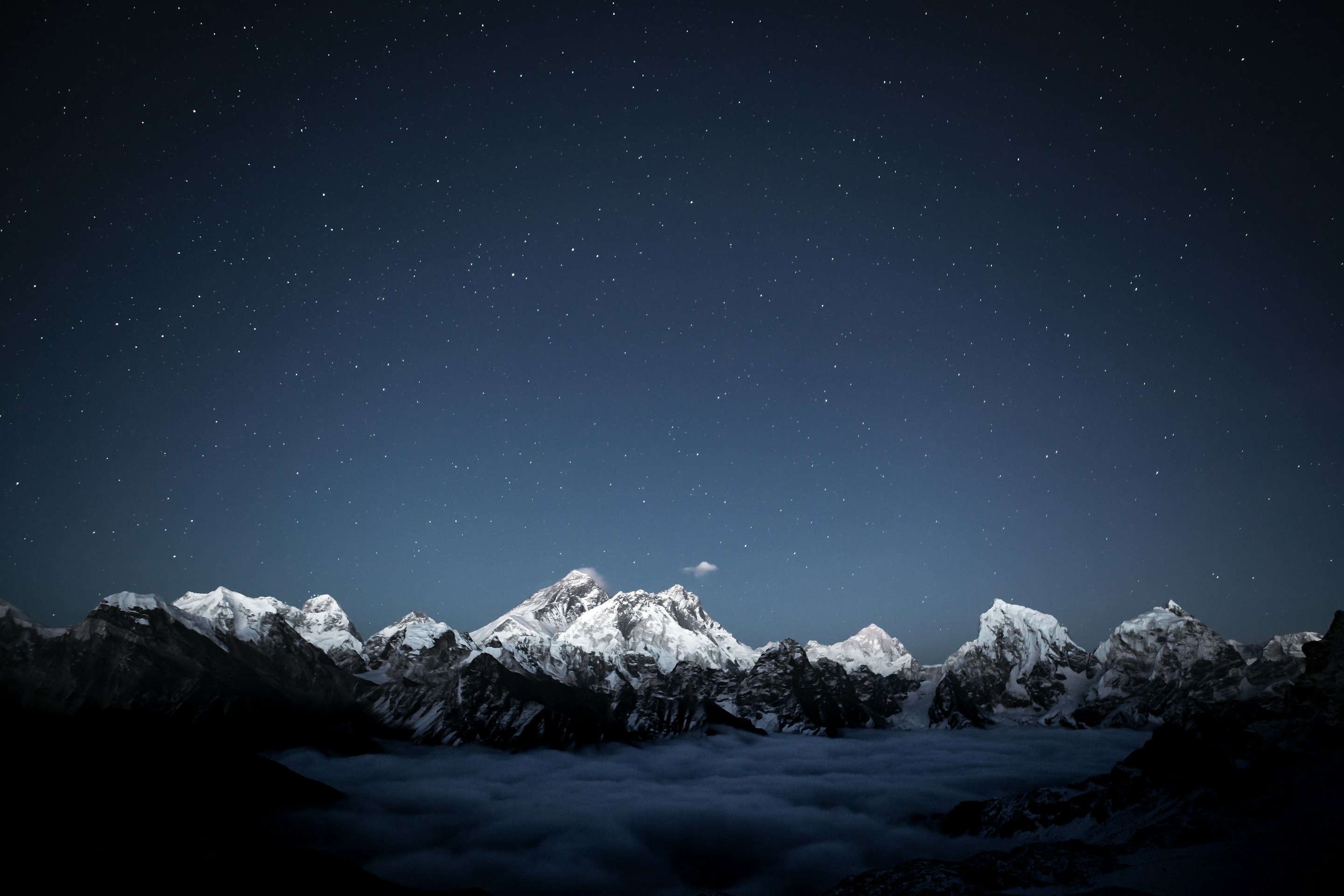
Langtang Gosaikunda Trek offers a journey through the beautiful region, of Langtang national park and Gosaikunda Lake. Gosaikunda, the serene mountain valley with the sacred lake adds much beauty to the outlook across the distant Himalayan peaks. The region is also home to numerous peaks, the tallest of which is Langtang Lirung(7,246m/23,773 ft).

Langtang Gosaikunda Trek Introduction: 

Langtang Valley provides access to peaceful landscapes and alpine forests. The valley is also the gateway to the numerous Himalayan Peaks. Gosainkunda, the holy lake is the major attraction of the valley. You get a great opportunity to explore the unique culture of the Tamangs, their lifestyle, and their celebrations that add colors to this land gifted by nature. 

Gosaikunda Lake attracts plenty of pilgrims around the year. They visit the place with the intention of taking a holy dip in the sacred water of the Lake. The region is also famous for Yak Cheese. The trails of this trek run in close proximity to the mountains offering exquisite views of Mt. Annapurna and Ganesh Himal.

Note: The Government of Nepal and the Trekking Association of Nepal recommend tourists visit this area with an experienced tour guide.

Duration14 days
DifficultyMedium
Max altitude4380m
Start / EndKathmandu
AccommodationHotel in KTM/Lodge & Tea-H...
Langtang Gosaikunda Trek photo
Langtang Gosaikunda Trek photo Langtang Gosaikunda Trek photo Langtang Gosaikunda Trek photo

Best Season for this trip

Sep - Dec & March - May

Spring: Mar-May Monsoon: Jun-Aug Autumn: Sep-Nov Winter: Dec-Feb

Day by day

Unfold your journey

Langtang Gosaikunda Trek Map

Kathmandu → Kathmandu

Langtang Gosaikunda Trek route map
day
1

Arrival day in Kathmandu (1,300m/4,264 ft)

20 Minutes Hotel Kathmandu Welcome Dinner
Our representative will be ready to welcome you at the Tribhuwan International Airport and assists you to get transferred to your hotel in Kathmandu. In the evening, we'll go for a welcome dinner in one of the typical Nepalese restaurants. After enjoying the cultural & musical programs in the heart of Kathmandu, we will take a short briefing about the trip. Overnight at Hotel.
day
2

Sightseeing tour around the Kathmandu valley & trek preparation (1,300m/4,264 ft)

Hotel Kathmandu Breakfast
After an early breakfast, we will start the day with a trip to cultural world heritage sites in Kathmandu Valley. Our trip includes visits to the pilgrimage sites of Hindus Pashupatinath temple, the world's biggest Bouddhanath Stupa, the monkey temple Swoyambhunath Stupa and historical Kathmandu Durbar Square with its surrounding temple. We will also go for a tour of the living goddess, Kumari in central Kathmandu. We take a pre-trip discussion and introduction session in the evening with our fellow trekking staff.
day
3

Trek from Kathmandu to Syabrubesi (1,420m/4,658ft), 8-9 hrs drive

5-6 Hrs Tea House Syabrubesi 3 Meals
We will start the day with a drive on a northern highway that further twists and climbs over mountain ridges to the Trishuil Valley. The journey might take about 7-8 hours to reach the Syabrubesi. The road will take us through picturesque landscapes, mountain scenery, and local villages. On the way, we will get magnificent views of peaks like Ganesh Himal, Manaslu, and Mt Kerung of Tibet. Overnight stay in Syabrubesi.
day
4

Trek from Syabrubesi to Lama Hotel (2340m/7,675ft), 5-6 hrs walk

5-6 Hrs Tea House Lama Hotel 3 Meals
We will start the walk after breakfast. The walk will start at own our pace. The trail will ascend for around two hours through the forest followed by a climb of about an hour to reach Bamboo Village (1,850m/6,068ft), where we will stop for a hot lunch. This path is a forested path with well-stabilized trails that follows upstream which also allows us to see the bird's life around the bushes. You might enjoy the scene of bee hives hanging on a cliff. We will climb further going steeply upwards through the bamboo forest to reach the Lama Hotel. Overnight.
day
5

Trek from Lama Hotel to Langtang village (3,480m/11,415ft), 5-6 hrs walk

5-6 Hrs Tea House Langtang village 3 Meals
We will have a pleasant walk on the day. We follow the trail through rhododendron and pine forest for around three hours to reach Ghora Tabela where we will be stopping for the lunch. The surrounding area is a dense wild habitat that is also home to many small babblers with a lot of herbals. After lunch, we will walk for another three hours on the scenic trail, which will eventually take us to Langtang village where we stop for the night.
day
6

Trek from Langtang village to Kyanjing Gompa (3,870m/12,697ft), 3-4 hrs walk

3-4 Hrs Tea House Kyanjin Gompa 3 Meals
After breakfast, we will leave the village and start our trek leisurely which might go for around three to four hours till we reach Kyanjing Gompa. We get beautiful views of Mt. Ganchempo and Langtang Lirung from the place. You are free for visiting the surrounding areas like Yak cheese Factory, Monastery, and local houses in the evening.
day
7

Rest day at Kyanjin Gompa

Tea House Kyanjin Gompa 3 Meals
You can take a full day of rest in the surrounding area. You can enjoy the views or explore the local area. You can also visit some highlights of Cherku-ri (5,150 meters), and take a glacier walk around the Langshisha kharka. Enjoy your day as per your interests.
day
8

Trek from Kyanjin Gompa to Lama Hotel (2340m/7,675ft), 6-7 hrs walk

6-7 Hrs Tea House Lama Hotel 3 Meals
We will be retracing our steps from this morning as we head back from the Gompa. We will have an easy downhill and pleasant walk through the rhododendron forest. We will reach Lama Hotel after a few hours. We rest for the night in the Lama Hotel before we continue our journey the next day to the Thulo Syabru village.
day
9

Trek from Lama Hotel to Thulo Syabru Village (1,900m/6,232ft), 5-6 hrs walk

5-6 Hrs Tea House thulo Syabru 3 Meals
The trail leads us again through the bamboo & rhododendron forest. If we are lucky, we might get a view of the local wild boar as well as other animals and birds on the route to Thulo Syabru. We will have a marvelous close-up view of Ganesh Himal throughout our way back. In the beginning, we will take the easy downhill trail that follows the river bank but at the last part, the trail turns into a steep uphill for a couple of hours to get to the village at Thulo Syabru.
day
10

Trek from Thulo Syabru to Sing Gompa (3330m/10,922ft), 4-5 hrs walk

4-5 Hrs Tea House Sing Gompa 3 Meals
We will walk for around 4-5 hours through a dense forest of pine and rhododendron to reach Sing Gompa (Chandan Bari) which is our overnight spot for the day. The trail from here might get uphill with typically Himalayan terrain that will last for a few hours. We arrive at the hotel getting refreshed by the beauty the place provides. You can also choose to visit the cheese factory as well as the terrain forested landscape.
day
11

Trek from Sing Gompa to Gosainkunda Lake (4380m/14,366ft), 4-5 hrs walk

4-5 Hrs Tea House Gosainkunda 3 Meals
We will follow a wonderful trail to reach the holy Gosainkunda Lake that will take us through Cholagpati and Lauribinayak. This area is known as the homeland of the Tamangs and Bhotias. A short time in the area will provide us with an insight into the rural mountain lifestyles of people living around here and the cultural contrasts between Hindu and Buddhist villages. You can enjoy the evening relaxing or taking a stroll around the lake and the surrounding area.
day
12

Trek from Gosainkunda to Dhunche, 7-8 hrs walks

7-8 Hrs Tea House Dhunche, 3 Meals
After an early breakfast, we will trek a long downhill. We have a target to reach Sing Gompa for the lunch on the same way back. After lunch, we will take a steep trek downhill that goes through the pine and rhododendron forests and some bamboo bushes. We will cross the river and walk downstream for an hour. After an hour, the trek goes gently uphill through the farm field that will eventually reach the district headquarter of Rasuwa, Dhunche. We stay at Dhunche for the overnight and spend the remaining time strolling around the area.
day
13

Drive back to Kathmandu

5-6 Hrs Hotel Kathmandu 3 Meals
We will take a drive back to Kathmandu in the same way that we went. It will take about 6-7 hours to get to Kathmandu Valley. After you arrive in Kathmandu, the guide will help you get transferred to the hotel. You can spend the remaining time simply relaxing at the hotel or exploring the local area. Overnight at the hotel.
day
14

Departure from Kathmandu

20 Minutes Breakfast
On the last day of the trip, you will be free to do any last-minute shopping for souvenirs or gifts for your family, friends, or relatives. You can choose to commence any extra trips or activities you may have booked with us before you are ready for your flight. If you are ready for departing, you'll be transferred to the International Airport for your departure flight to your onward destination. We wish you an excellent Himalayan adventure with us!

Langtang Gosaikunda Trek Map

Metres above sea level

Langtang Gosaikunda Trek altitude chart

What's covered

Inclusions & exclusions

trip includes

  • All airport and hotel transportation by private vehicle in Kathmandu as per the itinerary suggested.
  • Deluxe twin-sharing accommodation in Kathmandu with breakfast
  • Farewell dinner in Kathmandu (Alcoholic beverages are excluded)
  • Travel costs from Kathmandu to Sybrabesi and Dhunche to Kathmandu.
  • Full board meal (breakfast, lunch, dinner, tea & coffee) during the trek
  • Seasonal fruits during the trek are provided
  • Comfortable & clean accommodation on teahouse/lodge/tent during the trek
  • Government Registered Trek guide (English speaking, First Aid and eco trained), Sherpa porter (one porter for two trekkers)
  • All necessary paper works, entry fees, permits & TIMS card
  • Four seasonal sleeping bags, Nepal Vision Treks duffel bag, and trekking map (sleeping bag to be returned after trip completion)
  • First aid exclusive medical kit bag
  • All government and local taxes

trip excludes

  • Visa fees (You can obtain a visa easily upon your arrival at Tribhuwan International Airport in Kathmandu so (bring accurate USD cash and two passport photographs)) International airfare to and from Kathmandu
  • Lunch and dinner except for welcome & fare well dinner (and also in the case of early return from the mountain than the scheduled plan)
  • Any extra night accommodation in Kathmandu because of early arrival, late departure, and early return from the mountain (due to any reason) than the scheduled itinerary plan
  • Travel and rescue insurance

Dates & Prices

Upcoming Departures

departure

status

from

No scheduled departures for this period. Contact us for a private date.

Open group · join anytime

{{ d.seats_left }}/{{ d.total_seats }} seats remaining

Dates don’t fit? Every trip also runs privately on the date of your choice. Book a private departure.

FAQ’s

What travelers often ask

How difficult is the Gosaikunda trek?
The Gosaikunda trek may be one of the most difficult treks for those who are not physically active or not involved in any walking activities as you have to walk for an average of 6-7 hours daily, Besides, the trek is not difficult.

How long is the Langtang Trek?
The Langtang trek is about 10 to 15 days. The trek may be even longer. This depends on the factors like weather, the speed of walking, the physical condition of the trekker, and some others. Hence, within 10-15 days you can trek to Langtang.

How difficult is the Langtang Trek?
Some parts of the trail to Langtang Valley are quite tougher ad difficult due to the steep and rocky path, which may cause difficulty in walking. The tour is also a long trek where you should walk for continuous 6-7 hours. Hence, Langtang is quite a difficult Trek.

What is the altitude of Gosaikunda?
Gosaikunda is the holy lake in  Nepal which is located at a height of 4380m. The alpine freshwater oligotrophic lake in  Nepal is situated in the Rasuwa District with a surface of 13.8 ha or 34 acres.

Do you need a guide for the Langtang Trek?
No, it's not compulsory to have a guide to trek to Langtang. You can visit the Langtang trek without a guide, as it is easy to moderate mode during the trek, and an individual can tackle the trail.

What is Langtang?
Langtang is a Himalayan mountain region located in the north-central parts of Nepal, close to the Tibet border. It boasts of beautiful sceneries, diverse geography, cultural uniqueness, and challenging trekking routes.

What is the best time to visit Gosaikunda?
The best time to visit Gosaikunda is during the spring and autumn seasons, which are between March to May and September to November. During these periods, the weather is warm and dry, with clear skies and great visibility.

How do I get to Langtang?
To get to Langtang, take a bus or private taxi from Kathmandu to Syabrubesi, which is the starting point of the Langtang Valley trek. The journey can take up to 8 hours, depending on the road condition, and a private taxi can be arranged through a trekking company.

What permits do I need to trek in the Langtang-Gosaikunda trek?
To trek in the Langtang region, you need two permits: the Langtang National Park Entry Permit and the TIMS (Trekkers' Information Management System) Card. These can be acquired through the Nepal Tourism Board or at the starting point of the trek in Syabrubesi.

What else can I do in Langtang besides trekking?
Apart from trekking, Langtang is also a great place for sightseeing, bird watching, and experiencing the local culture. You can visit ethnic Tamang and Sherpa villages, observe traditional farming practices, or go on a wildlife safari at the Langtang National Park.

How difficult is Gosaikunda trek?
The Gosaikunda trek may be one of the difficult trek for those who are not physically active or not involved in any walking activities as you have to walk for average of 6-7 hours daily, Besides, the trek is not a difficult trek.
How long is the Langtang Trek?
The Langtang trek is about 10 to 15 days. The trek may be even longer. This depends on the factors like weather, the speed of walking, the physical condition of trekker and some other. Hence, within 10-15 days you can trek to Langtang.
What is the altitude of Gosaikunda?
Gosaikunda is the holy lake in Nepal which is located at the height of 4380m. The alpine freshwater oligotrophic lake in Nepal is situated in Rasuwa district with a surface of 13.8 ha or 34 acres.
Do you need a guide for Langtang Trek?
No its not cumpulsary to have a guide to trek to Langtang. You can visit the Langtang trek without a guide, as there is easy to moderate mode during the trek, a individual can himself tackle the trail.

Good to know

Useful information

Useful Information for the package:

Passport and Visa Requirements
All foreigners require a visa for entry into Nepal (except Indian nationals). It is your responsibility to obtain an entry visa. You can get it from a Nepalese embassy overseas or on arrival in Kathmandu, Nepal. Most people will obtain their visa on arrival at Kathmandu airport. You will need two passport photos and the following fees in US Dollar cash (this is payable in any major currency but NOT traveler's cheque) dependent upon the duration of the multiple entry visas:

  1. Multiple entries 15 days US$ 30 or equivalent convertible currency
  2. Multiple entries 30 days US$ 50 or equivalent convertible currency
  3. Multiple entries 90 days US$ 125 or equivalent convertible currency

Travel Insurance: 
Travel Insurance is mandatory for booking any of Himalayas Nepal Vision’s Adventure packages. Trekking in the Himalayas is full of fun and adventure but you have to be prepared for risk management. While you are in High Altitude region, there are higher risks of difficulties. You may suffer from various health problems, injuries, and illnesses. Even High altitude sickness can tear up your perfect itinerary. And that’s where travel insurance can save you from distress or at least from some of the costs, depending on the policy you buy. For your adventure, Travel insurance is a safety net if things go wrong. At times, even a helicopter may be needed along with a rescue team, for ground evacuation, so, every traveler must have rescue insurance covered against personal accidents, medical expenses, emergency air ambulance/helicopter rescue service accidents, and personal liability. Start your trip with all the necessary health & traveling insurance for your safety.

Having good travel insurance will not only guarantee you peace of mind while you travel with us but also provide you with complete cover for anything things that may go wrong.

Trip Meal Plan 
Eating is a big part of traveling. With Nepal Vision, you will experience the vast array of wonderful food that is available in the Mountains. Nepal Vision will provide Traveling Mountains meals (breakfast, lunch & dinner) that crews require on the trail. On this trip, you can enjoy both traditional Nepalese three-time served as Dal Bhat (rice and lentils), as well as a variety of different food items, such as vegetables, noodles, potatoes cuisine served and soup along with some, Nepali versions of western food such as pizza, pasta, and French fries. Breakfast and dinner will be served from the teahouse or lodge menu where we will spend the night. Lunch will be eaten at one of the trailside restaurants. A welcome dinner, a farewell dinner, and breakfasts will be served during our stay in Kathmandu.

When an individual is allergic to some food products, requires a special diet, or has specific religious food needs, we will arrange it as per your requirements on request. Also, the crew will carry fresh, fruit supplies at a time along the trail. Our guides will carefully be checked for the quality and quantity of the food in every teahouse. Explicit cooking directions are indicated on each food for your convenience.

Trip Accommodation 
During this trip, we will spend three nights in Kathmandu at four-star standard hotels. We will spend the nights at standard mountain teahouses. A Tea House is a combination of a guesthouse, restaurant, and social hang-out. Private rooms are available in most tea houses. The lodges are fairly basic. The rooms are spare with twin beds and very little additional furniture. Blankets are generally provided. Most bathrooms are shared and toilets are the western version. Most of the Teahouses have running water facilities while some of them may also have hot water available for bathing at an additional cost. It is advisable to carry wet wipes as an alternative.

There is a large dining room more like the lounge, warmed by an iron cylinder, fitted with a chimney duct, in which a log fire is lit. Most teahouses now also have electricity for charging small appliances, mobile phones, and cameras. Some might charge a small amount for this.

Best time to visit Nepal 
Nepal is for all seasons! But because of the huge range in altitude and landscape, the climate of Nepal differs significantly throughout the country. The most recommended seasons for trekking are autumn (Sept, Oct, Nov) and spring (March, April, and May). In these seasons you will be rewarded with good weather, sunny and warm with clear skies and outstanding views. During monsoons (June, July, Aug) although there will be no problem with trekking, the issue could be less visibility and rain. For the student of botanicals, a monsoon is a blessing as the higher valleys, mountains, and meadows blossom with flowers and abundant vegetation. You can also trek in winter (Dec, Jan, and Feb). Only, the issue will be cold weather with snowfall at higher elevations.

The trekking routes are filled with trekkers during spring and autumn but during monsoon and winter the routes are not packed and you could enjoy rather the best of nature. However, because of the effects of global warming, the climate is changing worldwide and there could always be the possibility of exceptions in these weather patterns. There could be a hoax of bad weather and sometimes even in adverse months during the best seasons too. 

Leader(s) & Staff 
The Trek Leader of your group has a role to ensure all aspects of the trip run smoothly. Our guides are intimately familiar with all local castes and customs along the trails and will share with you many cultural insights that are not covered in any guidebook. You will have a good chance to learn Nepali phrases, cultural things, and more on your trekking. Nepal Vision trained its guide/trekking staff on the following course:

  • Intensive Wilderness First Aid
  • Trekking Guide Training
  • Eco Trekking Workshop and Adventure Meet
  • English Language
  • Conservation and Biodiversity
  • Rock Climbing, Ice Climbing, and Mountaineering (For expedition leaders)

Altitude Information
What is Altitude? 
Altitude is known as elevation, and it is often used to refer to the height above sea level. Altitude is related to air pressure. Trekkers and mountaineers can measure their altitude by measuring the air pressure around them. As the altitude rises, air pressure drops. In other words, if the indicated altitude is high, the air pressure becomes low. The human body reacts to high altitudes. Decreased air pressure means that less oxygen is available for breathing. One normal effect of altitude is shortness of breath since the lungs have to work harder to deliver oxygen to the bloodstream. It can take days and even weeks for a body to adjust to high altitude and low air pressure. To prevent severe altitude sickness, mountaineers bring supplemental (extra) supplies of oxygen and limit their time in the 'high elevation'.

Acclimatization 
We are experts at operating adventure trips at high-altitude destinations. Every trip we run has a realistic acclimatization program. Our treks are designed to allow gradual height gain, spread over several days. There is no way of predicting who will suffer from altitude but, for the vast majority of people, a slow ascent to height will produce minimal effects. Acclimatizing takes time and there are no safe shortcuts. All trips to altitudes over 3,000 meters carry medicines essential to the treatment of altitude illness, and our leaders are trained to administer them and to know the symptoms.

Symptoms & signs of Acute Mountain Sickness

  • Headache (typically throbbing, often worse for bending over or lying down), Additionally one or more of the following symptoms might be seen:
  • Tiredness, weakness
  • Lightheadedness
  • Loss of appetite, nausea (or vomiting)
  • Insomnia, disturbed sleep
  • Dizziness, fatigue, lethargy, heavy legs

Treatment 
The only cure for mountain sickness is either acclimatization or descent to a lower altitude as soon as possible. In the presence of these symptoms, medical attention must be sought immediately in conjunction with a descent to the lowest possible height.

  • Rest (avoid even the slightest exertion if this is possible) at the same (or lower) altitude until the symptoms clear (up to 4 days)
  • Drink enough to keep your urine pale and plentiful
  • Use ibuprofen or paracetamol for headache
  • Consider Diamox™ (125 to 250 mg 12-hourly) for 3 days, or for the rest of the time at altitude if symptoms return
  • Consider Stemeti™l (or other anti-vomiting medication) for persistent nausea/vomiting
  • If AMS symptoms are severe, give oxygen (1 to 2 L/min) OR use a pressure bag until symptoms clear
  • Check the victim regularly for signs of HAPE and HACE, especially during the night
  • Descend far enough to clear symptoms (at least 500m/1640ft) if symptoms of AMS do not improve or get worse

What do we do if we are affected by Altitude Sickness? 
Sometimes trekkers might suffer from ailments like altitude sickness, heart problems, dysentery, or fracture while trekking in the Himalayas. While there are clinics at some places for minor ailments, major hospitals are days away from most of the trekking trails. So, a client’s life could be at risk if he/she is not rescued immediately. If you find yourself ill or injured in the mountains, Nepal Vision Treks will arrange rescue and evacuation services for our clients.

Helicopter rescue services will rarely come to your aid without you either making a cash deposit or a promise in Kathmandu. While you are traveling with us, we can become the guarantor for the helicopter operators, make the initial payments, and send a helicopter for your rescue. We claim the amount later from you or your insurance. Please make sure you have travel insurance that covers emergency helicopter services for rescue to avail of this service.

Our expert and trained guides are very experienced in dealing with the effects of higher altitudes. They are equipped with necessary first-aid medical supplies and will assist with basic first-aid treatment. The safety of our clients is taken very seriously and conducted the operation swiftly and didn’t panic for a second to come up with a proper operation.  

Vaccination: 
Vaccination is the most important thing to consider while traveling to prevent possible diseases. For traveling to Nepal, we recommend you take vaccines against Polio, Tetanus, Typhoid, Hepatitis A, etc. However, it is not a must to have but it is recommended. You should check up with your doctor before the departure of your trip. Your doctor will have access to the most up-to-date information on the required vaccinations for the country you will be visiting.

Extra Expenses Information
You are responsible for your expenses, a cold beverage, mineral water, extra meals, and drinks (more than 3 meals a day), and other services which are not mentioned in our service Includes column. So you should be planning to bring at least US$20 to US$30 per day for these expenses. It is not necessary to obtain local money before departure. Nepal has modern banking facilities so you can use ATMS in Kathmandu where you can easily use your credit card, Debit card, Master card, Visa card, etc. to withdraw local currency.

COVID Precautions
Fully vaccinated travelers don't require a pre-departure PCR test for COVID-19 to enter Nepal. You must bring the vaccination certificate completed at least 14 days prior to arrival at the Airport. In case you are not fully vaccinated or have not completed a full dose of vaccination at least 14 days prior to your arrival in Nepal, you have to bring a COVID-19 test report which can be either RT-PCR, Gene Experr, True NAAT, or WHO accredited test that shows the negative result done within the last 72 hours of boarding from the first airport. In case you are entering through the land border, you will need to do the test within 72 hours before entry. The provision will not be accepted for children below 5 years.

Things to Consider
There are a few important things you need to know before traveling to Nepal so that you can have a smooth journey to Nepal.

  • Be prepared for major emergencies. Nepal experiences natural calamities like Earthquakes, Landslides, floods, and several others. Carrying an emergency kit with necessary first aid supplies and bottled water will be a great help. 
  • Take care while you photograph as it's illegal to photograph army barracks, checkpoints, many temples, and many other areas. 
  • Don't use any illegal drugs. The government of Nepal might take this as a severe charge and also might ask for a sum of penalties for drug offenses.
  • Check with your intended tour provider despite Nepal issuing trekking and mountaineering permits. 
  • Exchange foreign currencies for NPR which will be available at banks or any exchange bureaus. Those can be found in major centers. Most hotels and restaurants accept credit cards but it's better to carry some fleece cash. Make sure you carry enough cash to cover your needs because not all areas have ATMs. 
  • Use the registered taxis. Some taxi drivers may take ask for higher amounts by fooling novice travelers, so make sure you consider checking for prices. 

More Adventures

You may also like

Contact Us

Nepal flag

Keshar Mahal, Thamel

Phone: 977-1-4524762

Fax: 977-1-4523296

[email protected] [email protected]
United States flag

Washington, DC, USA

Phone: +1 202-368-6657

Parashu Nepal (Marketing Director)

[email protected]
Australia flag

Sydney, Australia

Whatsapp: +61 426 730 548

Ashim Wagle (Marketing Director)

[email protected]
Canada flag

Regina, Canada

Phone: +1 (306) 250-1246

Shraddha Gaire

[email protected]
China flag

Beijing, China

Phone: +86 198 5746 8386

Bhaba Shrestha

[email protected]
Tripadvisor The New York Times Expedia Condé Nast Traveler Lonely Planet Forbes Travel Guide