



Thinking About Visiting Bhutan? Here’s What You Need to Know
 Nepal Vision Treks
 Dec 9, 2025
 16 Min Read
Did you ever fantasize about going to a place where mountains meet the clouds, monasteries are perched on the edges of cliffs, and the life there was totally different than anywhere on earth? That is Bhutan, all right, a land of surprises, colourful practices, and spectacular natural landscape.
Clean landscapes, towering Himalayan mountains, and fertile valleys with rice fields characterize the country. It is a place where hundreds of years-old monasteries stand on cliffs, festivals color the streets with vibrant hues, and local tradition shapes the lives of the inhabitants. Tourists do not just visit; they get to experience a culture that places importance on happiness, spirituality, and unity with nature.
Bhutan can offer something special to a nature lover, an adventure seeker, and someone interested in exotic cultures. Whether you are hiking along picturesque routes and visiting sacred places, or trying traditional Bhutanese food and communicating with kind people, you will spend significant time well spent and not forgettable.
Continue reading to find out why Bhutan is one country that needs to be on your traveling list and how to enjoy your time in Bhutan to the maximum.
Bhutan: The Thunder Dragon Land.
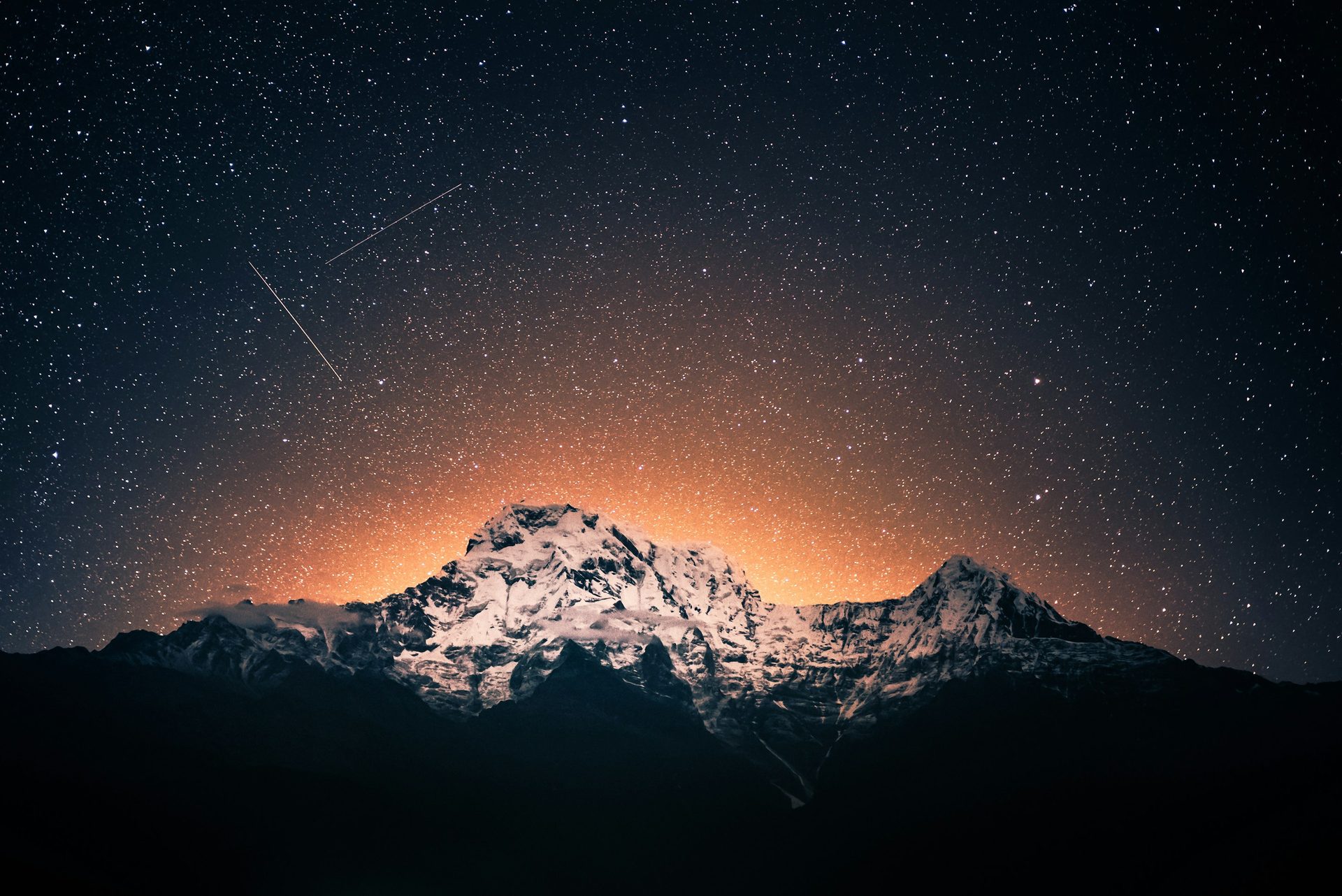
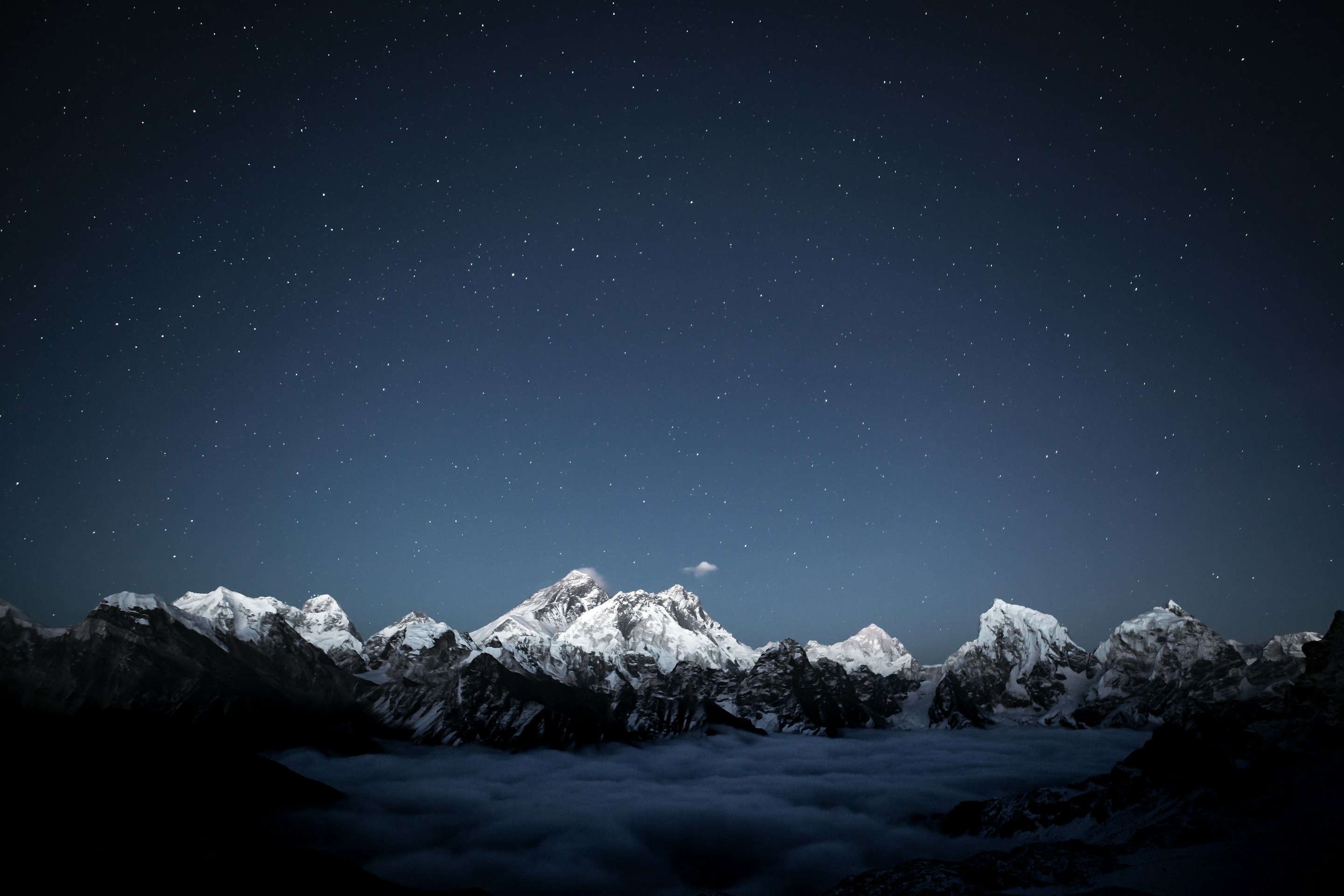
Bhutan is such a place that you will never forget. It appears that the mountains are nearer here, and clouds are floating slowly over the peaks and villages clinging to the slopes of the hills as though they belonged there. The prayer flags are blowing in the wind, the monasteries are located on the cliffs, and all is a bit slower, quieter, and more thoughtful. It is not a destination country that one merely visits; it is lived in. You feel it. And that is why Bhutan is unforgettable.
Why the Thunder Dragon Roars
In Bhutan, every turn you make will tell you about Druk, the Thunder Dragon. It is not just a symbol; it is part of the country’s identity. People living in the area report that thunderstorms crossing over the Himalayas sound like a dragon, reminding them that they are there to defend the earth and reminding citizens of their spiritual origins.
And the spirituality of Bhutan is not something confined to temples. It breathes in everyday life, in the pattern of festivals, in the silent devotion of monks in places such as Tiger Nest Monastery, clinging inconceivably to precipices above valleys. When you are in that place, you can feel the centuries of worship and history enveloping you, as if the mountains themselves were protecting this sacred place.

Scenery That Takes Your Breath Away.
Bhutan will be a dream for you if you love nature. Forests cover more than three-quarters of the land, and hidden valleys, raging rivers, and sharp mountains abruptly spring up out of the ground.
During an early morning stroll, you could see a black-necked crane or hear the distant call of a snow leopard, both of which are rare sights and make you remember how undisturbed and secure this territory is.
It has the still, adventurous air to it. Whether you are walking through pine trees, pacing the terraced rice plots, or just sitting on a hilltop and observing the sunrise in a valley, Bhutan has a way of making even simple things sound extraordinary.

Culture That Breathes Life
The Bhutanese culture is not behind the glass or in museums. It is lived, real, physically touching. Splendid towns are illuminated by festivals of mask dances, drums, and bright colors; the spiritual and historical centers in the cities are dzoongs, fortress-monasteries. The inhabitants are friendly and inquisitive, welcoming the tourists.
Or eat a meal of Ema Datshi (spicy cheese chili) or look on the locals going about their traditional rites, and you will feel that the heartbeat of Bhutan is in every gesture, every smile. Being exposed to this culture is not about sightseeing but entering a living tale.

The Happiness That Made a Nation.
The measurement of life in Bhutan is different. Get GDP, forget that: the nation adheres to Gross National Happiness, in which wellbeing is more important than money. Tourism is well regulated, and there are daily charges that ensure visitors have sustainable visits and help maintain the environment, traditions, and local communities.
The outcome is tangible everywhere: individuals appear less stressed, the atmosphere is less tense, and the coexistence of society and tourists in the area is peaceful and harmonious. A trip to Bhutan is not only a visit to a beautiful country but also to a society that has deliberately chosen to live in balance, mindfulness, and happiness rather than nonstop growth.
Bhutan: Must-See Places: Your First Destination.
The majority of the country’s attractions are concentrated in a few valleys and towns that are easily accessible. The core of virtually all first-time itineraries comprises Paro, Thimphu, Punakha, Bumthang, and Phobjikha, each offering a different flavor of Bhutan.
- An average trip is a west-to-east journey: Par- Thimph- Punakh- Phobjikha- Bumthang. This circuit is ideal, as it combines all you desire in Bhutan: the image of the sacred monasteries precariously perched on the cliffs, the colorful local atmosphere, and the silent river valleys where time seems to pass slowly.
- Paro is the place where you often start. It is home to the most popular worldwide Tiger Nest Monastery in the world, perched spectacularly on the cliffside, and offers a blend of beautiful hikes, historical dzongs,s and local markets.
- The capital is called Thimphu; it has a surprisingly easy atmosphere. Here you have the opportunity to explore crowded streets, visit monasteries, walk through local markets, and see how the country blends tradition and modernity.
- Punakha is all about rivers, valleys, and history. One of the most attractive and photogenic features of Bhutan is the majestic Punakha Dzong, a magnificent structure located at the confluence of two rivers.
- Phobjikha Valley is quiet, calming, and ideal for nature. A place with the notorious black-necked cranes that come here during winter, it is a place where you can stroll through silent villages, hike easy trails, and become so deeply involved in Bhutanese life.
- The spiritual centre of Bhutan is Bumthang, which is scattered with ancient temples and monasteries. The valleys of it are said to be the soul of the country, and one can get a glimpse of the country with its rich religious heritage and untouched scenery.
Each of the stops has its own character, and a combination of them will allow you to experience a real glimpse of the magic that Bhutan is made of.
How to Plan Your Bhutan Trip?
Going to Bhutan is a thrilling experience, but it is unlike most other places. Tourism is carefully managed in the country to ensure that culture and the environment are not harmed; in this case, careful preparation is essential. It may sound easy, gratifying, and mystical with proper preparation.
Best Time to Visit
Visitors are welcome year-round, but certain seasons are brighter than others.
Spring (March-May): It is also one of the most beautiful seasons to go. The rhododendrons also come out into flower, the valleys are colorful, and it is pretty mild, about 10-22 °C. The country is animated by festivals such as Paro Tsechu, which features masked dances, the unveiling of giant thangka, and jovial crowds. There is also an excellent hiking climate, and the skies are mostly clear, offering gorgeous views of the Himalayan range.
- Autumn (September - November): It is another peak season, with a clear, crisp sky, and a perfect time for trekking, photography, and sightseeing. The temperatures range from -24 °C, and celebrations such as Thimphu Tsechu form part of the rich cultural heritage.
- Winter (December-February): Winter is cold and serene, with snow-capped mountains and fewer tourists. At elevations, the temperatures may fall below freezing, and low valleys such as Thimphu and Paro are not closed. It is ideal for the traveler who prefers relaxing scenery and affordable travel; however, warm clothing is necessary.
- Monsoon (June- Aug): Due to heavy rainfall, valleys are now green and lush; however, roads may be hazardous, and specific trails may be dangerous. Fewer tourists and cheaper rates make it attractive to adventurous travelers, but the number of outdoor activities may be low.
Visa and Entry Requirements
Bhutan does not practice independent tourism. All tourists (except the Indian, Bangladeshi, and Maldivian nationals) are required to book a visa through a licensed Bhutanese tour operator, preferably at least a month in advance.
Entry points include:
- Taking flights via Delhi, Bangkok, or Kathmandu to Paro Airport.
- Phuentsholing is the crossing point for travelers who are entering from India.
- And a Sustainable Development Fee (SDF) of 100/day (reduced to 200/day) that includes your guide, cars, food, and 3-star hotels. This will ensure that your visit supports the conservation of Bhutan and its local communities.
Budget and Booking a Tour
To visit Bhutan, you do not have the freedom to make your own plans, as you must use government-approved tour operators.
- Per day: 200-250 per person, according to the season.
- What is included: Guided tours, car, lodging, and food.
- Booking hints: Book at least 4-8 weeks in advance during peak periods. Group tours may save on expenses, whereas luxury upgrades can be offered to those concerned about comfort.
- Flights: Round-trip flights to Paro are generally between 200 and 500.
- Complete cost: On average, a 5-7-day trip costs between 1,500 and 2,500, not including international flights.
Sample Itineraries
4–5 Day Essentials (Paro–Thimphu):
- Day 1: Landing in Paro, Rinpung Dzong, and the local market.
- Day 2: Hike to Tiger Nest Monastery, the jewel of Bhutan.
- Day 3: Drive to Thimphu, visit Buddha Dordenma, Tashichho Dzong, and walk around the city.
- Day 4: Pay a visit to Punakha Dzong on your way back and leave.
7–10 Day Cultural Deep Dive:
Extravagant activities would also include extending your trip to Punakha Valley (Dochu La Pass, hot stone baths) and to Bumthang to see ancient lhakangs and local festivals.
Extra things to do: Archery, farm stay/homestay, and short hikes through peaceful valleys.

Packing and Cultural Tips
Different altitudes and cultural standards of Bhutan demand some preparation:
- Clothing: Change clothes for both heat and cold (down to 10,000 ft), plain clothes (must cover knees and shoulders in monasteries), and winter clothes.
- Footwear: Good hiking shoes are a necessity, particularly for Tiger Nest (3 to 5 round-trip).
- Health: Carry altitude medication along (where required), and travel insurance that covers evacuations and emergencies.
- Follow traditions: walk clockwise around stupas and temples, take off hats indoors, and do not show affection in public.
- Eating and drinking: Have ema datshi (spicy cheese dish) and aar (local spirit). There are many vegetarian options.
When you plan your trip to Bhutan, you can enjoy the country's culture, landscapes, and festivals without feeling rushed. The way to experience the magic of Bhutan is through a carefully crafted itinerary that lets you enjoy the best season in comfort and style.
To wrap up, Bhutan is a place that will always stick with you even after you are gone. Whether it is the Himalayan mountains in the sky and the Himalayan valleys in peace, or the colorful festivals and friendly people, every second spent here will be timely and magical.
It is always good to plan your trip carefully, choosing the right season, obtaining the permits, and following a well-timed itinerary to enjoy the best of the culture, nature, and adventure. Bhutan can be remembered forever, whether through the walk to the Nest of the Tiger, a tour through the old dzongs, or simply enjoying the serene scenery.
Are you willing to visit the Land of the Thunder Dragon? Let Nepal Vision Trek arrange the journey of a lifetime in Bhutan.
FAQS
When is the best time to visit Bhutan?
Do I need a visa to travel to Bhutan?
How long should my Bhutan trip be?
What is the daily cost for a Bhutan trip?
What should I pack for Bhutan?
Can I travel independently in Bhutan?