



Can Beginners Conquer the Kanchenjunga Circuit Trek? What You Need to Know
 Nepal Vision Treks
 Jul 17, 2025
 11 Min Read
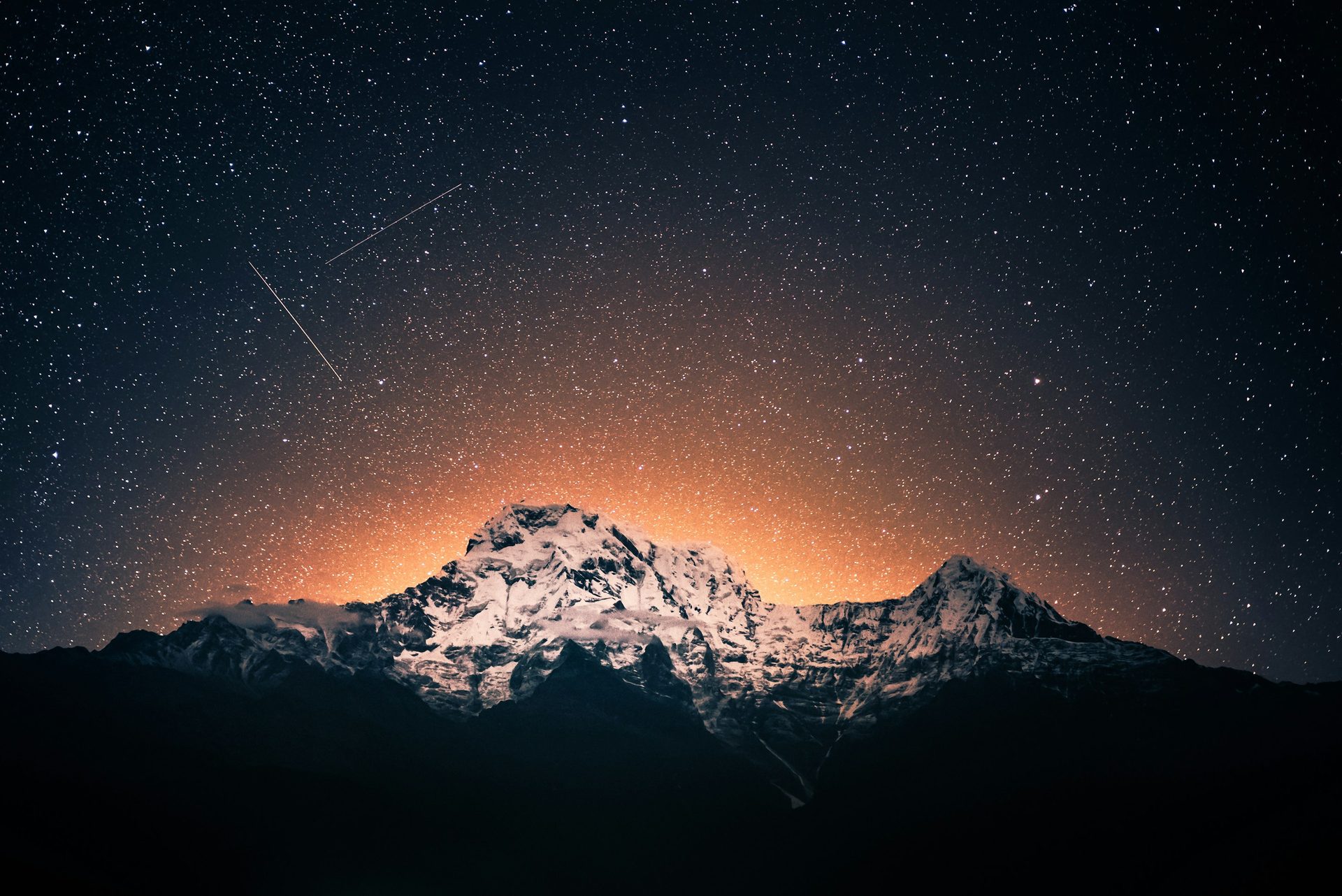
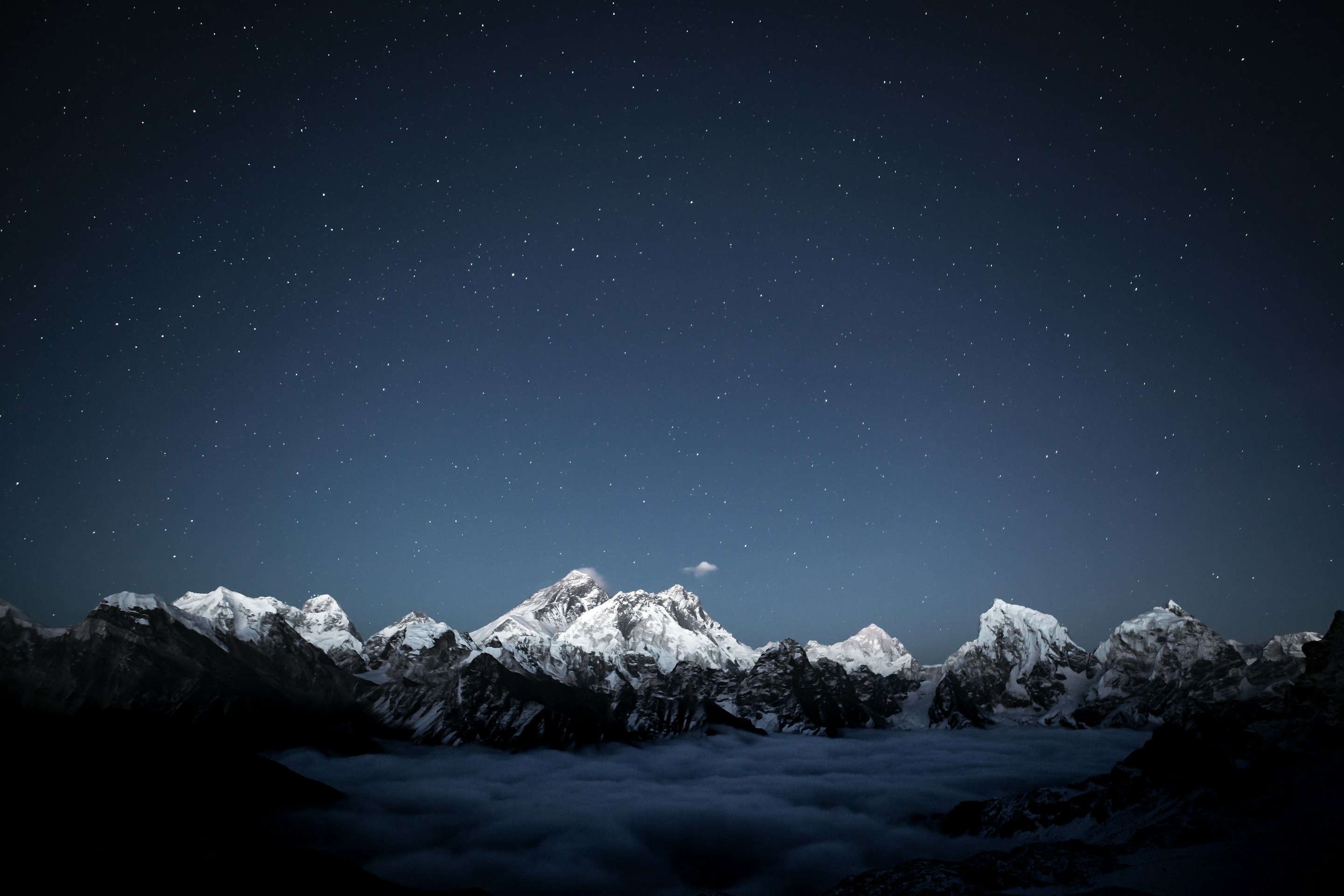
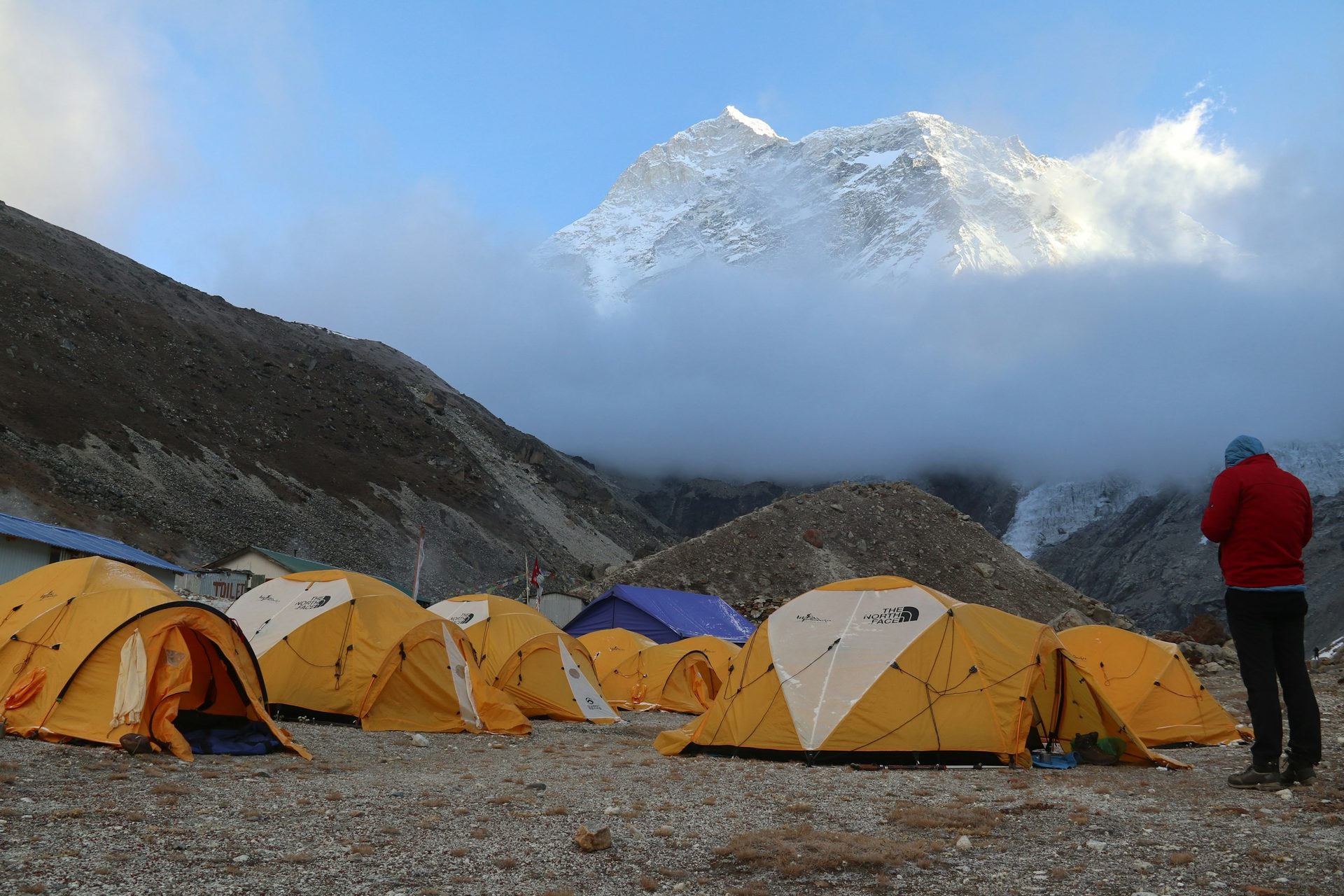
The third-highest peak in the world, Kanchenjunga, is surrounded by a network of rugged trekking trails that weave through remote villages, unveiling a world of vibrant cultures and breathtaking natural wonders. These paths of the Kanchejunga Circuit Trek are the journey into the heart of the Himalayas, where every step brings you closer to the authentic lives of the Limbu, Rai, and Sherpa communities, and every turn reveals forests bursting with rhododendrons, sweeping alpine meadows, sparkling glacial streams, and panoramic mountain vistas.
But don’t be fooled, this trek is tough. The trails climb steeply, cross high mountain passes, and the weather can change quickly. With simple tea houses and few travelers around, it’s a true adventure that challenges your body and mind.
So the big question is: can a beginner handle the Kanchenjunga Circuit? It’s definitely challenging, but with the right preparation, fitness, and mindset, many first-timers have completed it and come away with unforgettable memories. Let’s take a closer look at what it really takes to make this journey.
Understanding the Kanchenjunga Circuit Trek
Hidden in the eastern region of Nepal, where clouds drift lazily across ancient ridgelines and the land feels untouched by time, the Kanchenjunga region offers a trek unlike any other. Towering at 8,586 meters, the world’s third-highest peak stands guard over a wild landscape of remote villages, rugged trails, and valleys still moving to the rhythm of traditional mountain life.
This isn’t your average teahouse stroll; the Kanchenjunga Circuit is a true expedition. The trail winds through thick bamboo groves and blooming rhododendron forests, over swinging suspension bridges, past waterfalls that tumble endlessly down cliffs, and up into high-altitude moonscapes that feel like another planet.
All the while, you’re walking in the shadows of Himalayan giants: Kabru (7,412 m), Pandim (6,691 m), Jannu (Khumbhakarna) (7,710 m), Siniolchu (6,888 m), Kirat Chuli (7,362 m), Gimmigela Chuli (7,350 m), Jongsong Peak (7,462 m), Pauhunri (7,128 m), and Mount Narsing (5,800 m), names that feel like poetry and power all at once.
Aside from this, there are plenty of highlights that make the Kanchejunga Circuit Trek the place to wander.
- The journey takes you through a remote region of quiet forests, deep valleys, and open highlands, where the landscape still feels wild and untouched.
- Take your time to soak in the close-up views of towering peaks like Kanchenjunga, Kabru, and the Twin summits, so majestic, they make the whole world seem to pause.
- Life in the villages moves gently, rooted in tradition. The local people live in quiet harmony with the mountains, offering you a glimpse into a world rooted in simplicity and culture.
- With fewer trekkers on the trail, the silence speaks louder. This is a true off-the-map adventure, where you feel the presence of the mountains in their purest, most powerful form.

Tough But Doable: Challenges Beginners Face on the Kanchenjunga Circuit
The Kanchenjunga Circuit Trek is one of Nepal’s most exciting off-the-beaten-path adventures. But if you’re new to trekking, it comes with some real challenges. Knowing what to expect will help you prepare well and enjoy the journey safely.
Trek Duration and Daily Routine
The trek usually lasts between 3 to 4 weeks. You will be many days on your feet. Each day involves walking for several hours, sometimes even on uneven trails. You’ll need patience and consistent energy to keep moving forward without burning out.
Remoteness and Isolation
Kanchenjunga is located in a remote area of Nepal, where there is a presence of few travelers, and phone signals or internet can disappear for days. This peaceful isolation is part of the magic, but it also means you need to be comfortable with simple living and limited outside contact.
Physical Demands and Terrain
The paths are steep and rocky, with many ups and downs, making walking on them a challenging task. You will cross high mountain passes and sometimes tricky river crossings. Good fitness, sure-footedness, and careful walking are musts to handle the rugged terrain safely.
Altitude Sickness
As you climb above 3,000 meters, your body begins to feel the thinner air. Beginners can experience headaches, nausea, or fatigue due to altitude sickness. The key is to go slow, drink plenty of water, rest often, and always listen to your body’s signals.
Is the Kanchenjunga Circuit Trek Suitable for Beginners?
Well, yes and no. As the trek isn’t your average walk in the park. The trails are long, remote, and demanding. You’ll need to be in good physical shape, comfortable with walking 6–8 hours a day, often at high altitudes.
But it’s not just about fitness. Mentally, you need patience and determination. Emotionally, being okay with solitude and basic comforts is key. There are no fancy lodges or crowds, just you, the trail, and the mountains.
Who Is This Trek Best For?
- Trekkers who’ve done high-altitude hikes before and are ready for something more remote.
- Adventurers who love nature, silence, and raw, untouched landscapes.
- Suitable for beginners who are well-prepared, mentally strong, and traveling with a guide or in a group.
If you're looking for comfort and convenience, this may not be the right choice for you but if you're craving challenge, solitude, and something wild, this could be your trail.
Beginner Preparation Guide
The Kanchenjunga Circuit is in a restricted trekking area, so you’ll need to go through a registered trekking company. This is actually a good thing; they'll help you with everything, including permits, guides, accommodation, and mental preparation, too.
However, to fully enjoy this remote adventure, you'll need to be prepared on every level, both physically and mentally, and with the right gear.
Physical Fitness: Start Small and Build Up
You don’t have to be an athlete to take on the Kanchenjunga Circuit, but you should train your body to handle long days of walking. Start slow. Begin with short daily walks, even 30 minutes a day helps. Once that becomes easy, move on to light jogging. Over time, build up your strength with long walks and strength training.
A simple plan to follow:
- Week 1–2: Daily walks (30–60 mins), some stair climbing
- Week 3–4: Add light jogs (3–4 times/week), start core exercises
- Week 5–6: Mix in 3–4 hour weekend hikes with a backpack
- Week 7–8: Focus on leg workouts (squats, lunges, step-ups), longer cardio sessions
- If possible, do a short overnight trek before your big trip to test your endurance
Mental Preparation: Get in the Right Headspace
One way to start preparing your mind is through journaling, reflecting on why you're doing this trek, what you're excited for, and what you might find challenging. The trail is peaceful but remote. Days are long, comforts are few, and you’re far from phone signals and Wi-Fi.
There’ll be cold mornings, simple food, and shared spaces in tea houses. But this is part of the charm, the freedom, the silence, and the raw beauty.
Tips to stay mentally strong:
- Stay present — don’t rush the journey
- Be flexible — trail conditions or weather may change plans
- Talk with locals and fellow trekkers — stories help you stay grounded
- Set small goals each day instead of focusing only on the destination
- Remember: it’s okay to feel tired or overwhelmed sometimes
Acclimatization: Help Your Body Adjust to Altitude
As you gain height, your body needs time to adapt. There’s no shortcut. Take it slow, listen to your body, and follow good habits right from the start.
To help with acclimatization:
- Avoid smoking or alcohol before and during the trek
- Eat well — focus on warm, filling meals with enough carbs and fluids
- Stay hydrated — drink 3–4 liters of water a day
- Sleep warm and avoid overexertion
- After 2,500m, ascend gradually and plan rest days
- If you feel dizzy, nauseous, or short of breath, tell your guide, descend, and rest
Bonus tip:
rain at a higher altitude (if possible) before the trek — even a few days at 2,000–2,500m can help your body learn to cope.
To wrap up, the Kanchenjunga Circuit Trek is a challenging but unforgettable adventure, offering breathtaking views, rich culture, and a true taste of Nepal’s wild beauty. While the journey demands good preparation and determination, the rewards of solitude, stunning landscapes, and authentic mountain life make it all worthwhile.
If you’re ready to take on this incredible trek with expert guidance and support, Nepal Vision Trek is here to help you every step of the way. Contact us to begin planning your Kanchenjunga adventure today!
FAQS
Is the Kanchenjunga Circuit Trek suitable for beginners?
How long does the Kanchenjunga Circuit Trek usually take?
What is the highest point on the Kanchenjunga Circuit Trek?
Do I need a guide and porter for this trek?
When is the best time to do the Kanchenjunga Circuit Trek?
What kind of accommodation is available on the trail?
Are special permits required for this trek?
How difficult is the Kanchenjunga Circuit Trek?
Can I get phone or internet service on the trek?
What should I pack for the Kanchenjunga Circuit Trek?