



Langtang Valley Trek: A Journey Through Nature, Culture, and Resilience
 Nepal Vision Treks
 Sep 7, 2025
 10 Min Read
Langtang Valley, tucked away in north-central Nepal, is one of those rare places where nature and culture come together in the most captivating way. With its snow-capped peaks, peaceful trekking trails, and the warm hospitality of the Tamang people, the valley has long been a favorite for travelers looking for both adventure and meaning. Sitting within Langtang National Park, it’s not just about the mountains and forests—you’ll also find sacred monasteries, grazing yaks, and a spiritual energy that feels timeless.
But everything changed in 2015. When a powerful earthquake shook Nepal, Langtang Valley was hit harder than almost anywhere else. A massive avalanche thundered down, burying most of the village in seconds. Homes, teahouses, and trekking routes disappeared, and countless lives—both locals and visitors—were lost. Only a few buildings managed to withstand the destruction, leaving behind a silence that spoke louder than words.
Since then, the story of Langtang has been one of resilience. Families rebuilt their homes, trails were opened again, and slowly, trekkers returned to walk paths that now carry both beauty and memory. Today, Langtang Valley is more than just a trekking destination—it’s a living testament to endurance, community, and the human spirit’s ability to heal.
And yet, the valley holds more than just scars. As you wander through its landscapes, you’ll find yourself asking: What does it really feel like to explore a place where loss and renewal stand side by side? That’s the journey we’re about to take.
Day Everything Changed: Nepal earthquake of 2015.
The day was a typical spring morning in Langtang Valley, with villagers attending to their yaks, trekkers tightly shoing their feet with their boots, and prayer flags fluttering in the orchard. Then, at 11:56 a.m., the ground roared. The earthquake with a magnitude of 7.8 hit Nepal, and within a few minutes, the Langtang bridges were broken. The quiet mountain valley was transformed into a disorganized terrain when the earth shook and the mountains split open.
Avalanches, Glacier Slides and the Human Toll.
The quake set a catastrophic avalanche rolling down the mountain peaks. Huge masses of ice and rock slipped down and rushed through Langtang village with great terror. Tons of debris covered homes, lodges and teahouses. People were separated, and trekkers who came to find beauty were caught in the catastrophe. Over 300 people were killed that day, and Langtang was one of the most affected areas in the whole of Nepal. It was nearly unendurable the quiet that follows the bellowing.
The Aftermath: Lost Cultural Heritage and Homes.
It was like a valley in the days that followed. Centuries-old sacred sites, monasteries, stupas and gompas were demolished. Those villagers who survived were only left with their clothes on their backs. Trails were swept away, bridges were blown in, and the core of the community, the village of Langtang itself, was lost. To those who had come home, it was not merely a question of how to erect buildings again, but how, once more, to re-establish a way of life that had been so forcibly and abruptly changed.
Rebuilding, Resilience, and Renewal in Langtang Valley Today.
It seemed impossible to conceive of life returning to Langtang in the months following the earthquake. But gradually, day by day, the society started to reconstitute. Families returned to the valley with only his will to build houses of salvaged wood and stone. Through local, international aid and sheer force, schools were opened, lodges were replaced, and the beat of everyday life was restored. The community that never gave up is the power you can experience when walking through the valley today.
A new trail, new homes and a safer walking experience.
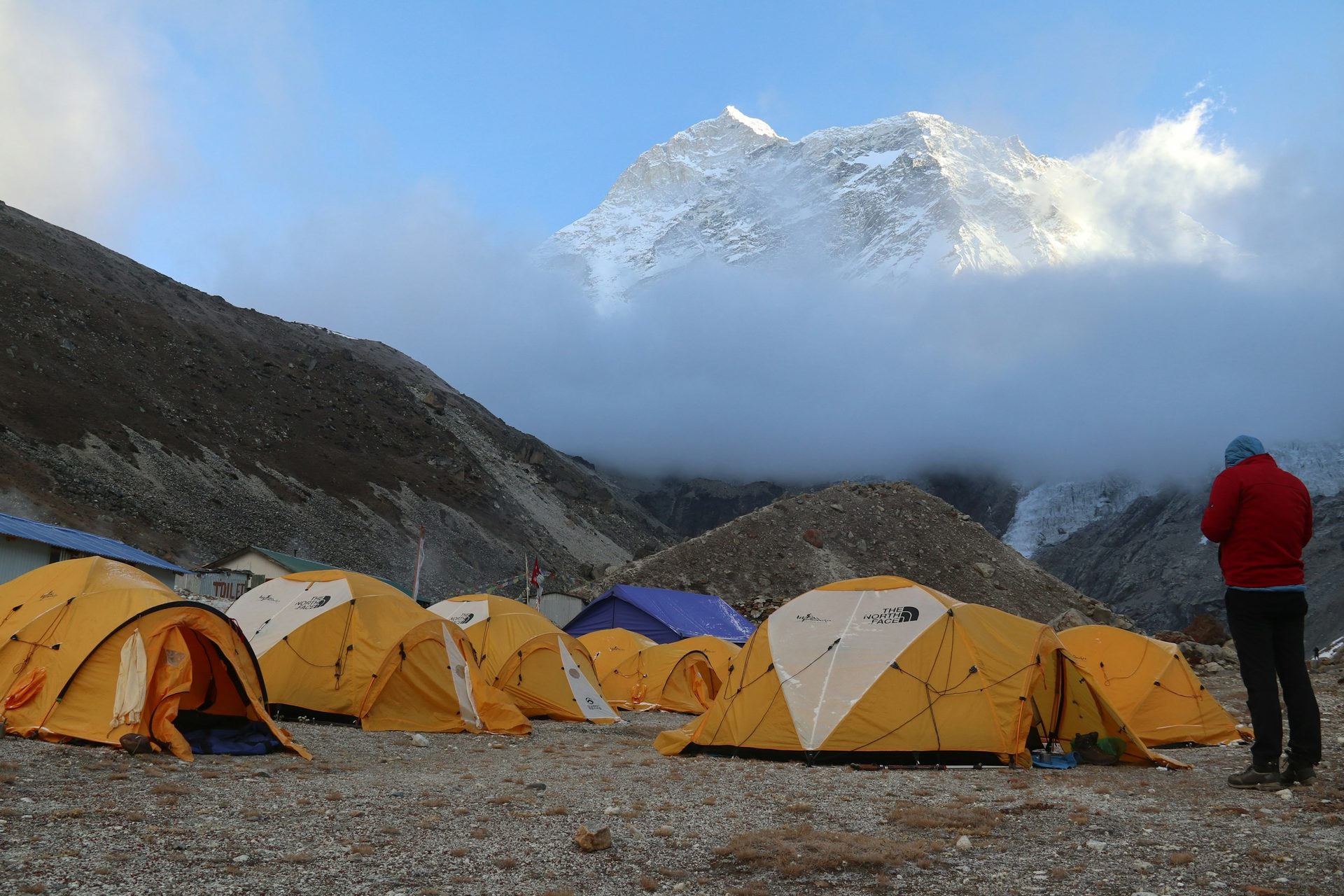
The people also tried to open up the lifeline of Langtang, its trekking routes, as they started restoring their houses. Trails were meticulously repaired and, in certain places, diverted onto safer ground. Trekkers are being greeted by new guesthouses with warmth, food, and tales of survival over cups of yak-butter tea. This infrastructure can appear in various forms; however, it will be stronger, safer and feel grateful to each visitor who decides to come back.
Nature and Change: Landscape and Wildlife.
The Langtang landscape was changed by the earthquake; more precisely, the whole slope moved, rivers formed new routes, and some routes disappeared forever. But nature, as well, hath its healing power. Alpine meadows are again in flower, the woods are now thicker, and animals such as red pandas and the Himalayan thar are roaming. The evidence of the avalanche remains, though it moves side by side with the valleys of fresh life, and serves as a constant reminder to the visitor that rebuilding is equally a part of the Langtang narrative as devastation.

The Trek Langtang Valley Now: Why You Should See and Experience There
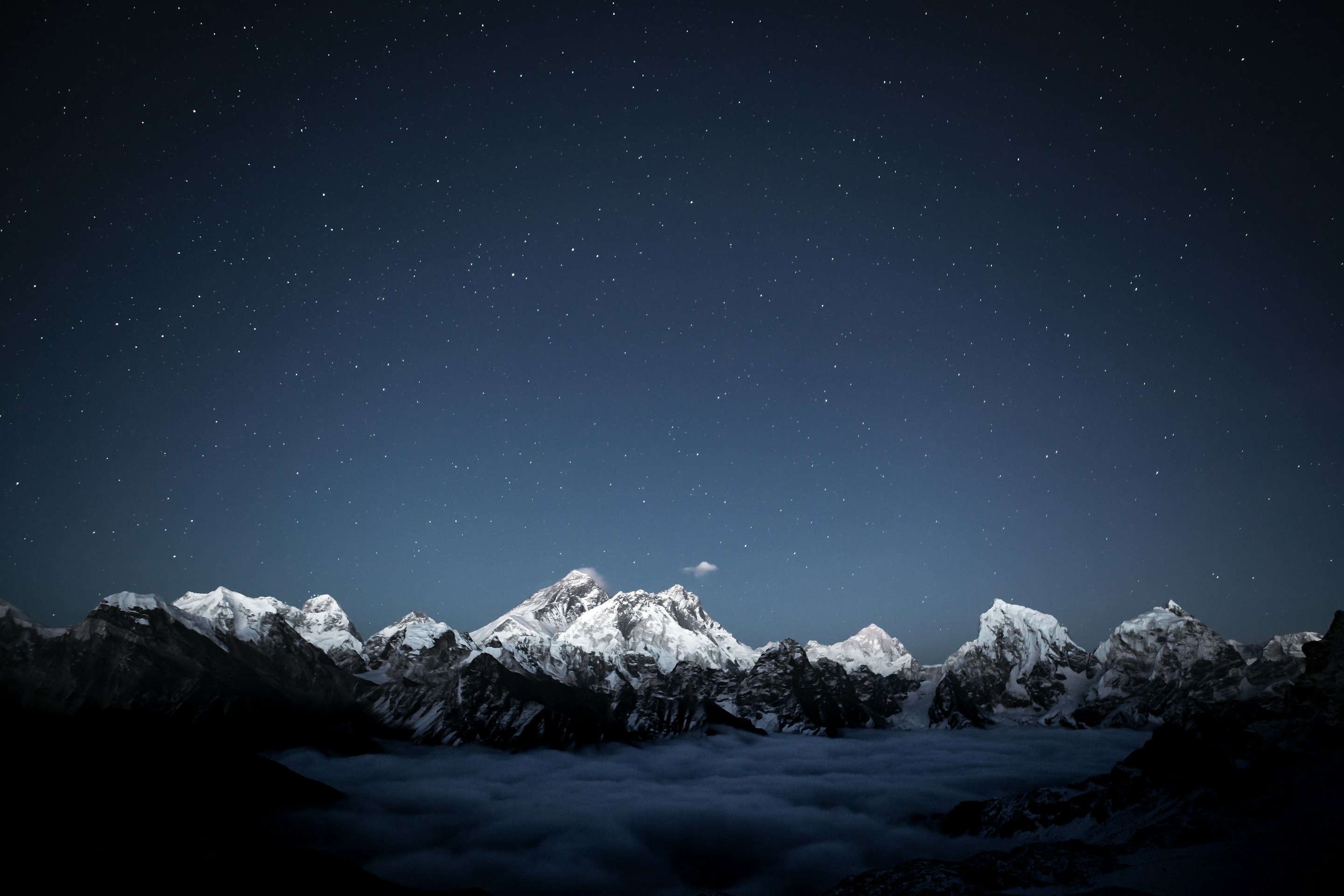
Is Langtang safe to trek now? Yes. Their trails have been reinstated and diverted where necessary, such that they are suitable for trekkers of all skills. And the views? They are spectacular as ever. The Langtang Lirung looms high, but the yak pastures rolling with wildflowers are a postcard moment with every turn of the trail. The quake may have left scars on the soil, yet the mountains stand as majestically quiet as they did when travelers first came this way.
The Valley has still had its cultural experiences.
The trekking in Langtang is rewarding in many ways, including the people you meet. The Sherpa people and Tamang have preserved their cultures and embrace trekkers with wide arms. In monasteries, you will hear the hum of Buddhist prayers, in snowy mountains you will see colorful prayer flags fluttering in the air, and perhaps you will share a cup of butter tea with salty bits with locals at the fire. Nonetheless, the cultural pulse of Langtang has not only lived through it, but it is also flourishing.
Best Seasons, Gear, and Guides: Tips for Your Trek.
When Langtang is calling you by name, here are some of the things you need to know before tying a knot on your boots. The ideal times are spring (March-May) and Autumn (September-November) when the sky is clear, rhododendrons are flowering, and the weather is unchanging. Light and clever - layers, down jacket, good boots, and a nice sleeping bag are all necessities. And although one can walk alone, a local guide can not only help with the trek process but also contribute to the community that makes Langtang so special.
To wrap up, Langtang Valley isn’t just about stunning views—it’s about resilience, culture, and the spirit of a community that rebuilt after tragedy. Trekking here today means walking through landscapes of beauty and history, while supporting locals who’ve kept their traditions alive.
If you’re ready to experience Langtang for yourself, Nepal Vision Treks can guide you safely through the valley’s trails and stories.
Start your journey with Nepal Vision Treks and let Langtang leave its mark on you.
FAQS
Where is Langtang Valley located?
How high is Langtang Valley?
How badly was Langtang affected by the 2015 earthquake?
Is Langtang safe to trek today?
What cultural experiences can I expect in Langtang?
When is the best time to trek Langtang Valley?
How long does the Langtang Valley trek take?
Do I need a guide for Langtang Valley?
What wildlife might I see in Langtang National Park?
Why choose Langtang over more famous treks like Everest or Annapurna?