



Manaslu Circuit Trek Essentials: Meals, Clean Water & Where You’ll Sleep
 Nepal Vision Treks
 Jul 10, 2025
 12 Min Read
The raw experience of trekking through trails beneath those majestic peaks is truly a once-in-a-lifetime opportunity. But during this incredible journey, there are practical questions you’ll be asking yourself every day on the trail: What am I going to eat today? Will I find clean drinking water? Where do I sleep tonight?
These are the things that keep you moving, keep you safe, and help you enjoy the trek without feeling drained or overwhelmed.
The Manaslu Circuit Trek is no exception. With fewer crowds, incredible mountain views, and authentic village life, it offers a remote and genuine experience. You won’t find restaurants on every corner or hotels with heated floors. Instead, you'll find teahouses serving warm food, basic beds, and friendly people who make you feel welcome.
That’s precisely what this guide is about, not the Instagram-perfect version of the trek. But the real, day-to-day details you need to prepare. We’ll walk you through the meals you can expect, how to stay properly hydrated at altitude, and what accommodations are really like along the way.
Food on the Manaslu Circuit Trek
When you’re trekking the Manaslu Circuit, most of your meals will come from the teahouses where you stay overnight. These teahouses might look simple, but they serve up hearty, comforting meals designed to keep you fueled and ready for the next day’s hike.
What Meals to Expect?
The most common meal you’ll see everywhere on the trail is Dal Bhat, the classic Nepali staple. It’s basically lentil soup (dal) paired with boiled rice (bhat), vegetable curry, and sometimes a small side of meat or pickles.
The best part?
Dal Bhat is usually refillable for free, so if you're feeling extra hungry after a tough day, you can load your plate again and again. It’s a great way to maintain steady energy levels without worrying about additional costs.
Apart from Dal Bhat, teahouses typically offer a few other tasty options, like:
- Noodles — fried, boiled, chowmein, or thukpa (a warm Tibetan noodle soup that’s perfect when it’s chilly)
- Pasta — often fried with vegetables, eggs, or cheese, giving you a familiar taste if you want a break from local food
- Tibetan bread — thick, pan-fried bread that usually comes with honey or jam, great for a quick breakfast or snack
- Soups and porridges — especially common at breakfast time to help warm you up before heading out
Must-Try Nepali Dishes
If you’re up for trying local flavours beyond Dal Bhat, here are some dishes you definitely shouldn't miss:
- Momos — those delicious Tibetan-style dumplings, steamed or fried, filled with veggies, meat, or buffalo
- Chowmein — simple, flavorful stir-fried noodles that go well with almost anything
- Dhindo — a thick, hearty porridge made from millet or maize flour, usually eaten with vegetable curry on the side
- Gundruk — fermented leafy greens that add a unique tangy flavor, served as curry or pickle
- Roti — flatbread that’s often paired with curry or veggies.
And if you get lucky, try some special dishes from the Newar community, like Choila (spiced grilled meat), Bara (savoury lentil pancakes), or Yomari (sweet rice flour dumplings)
Western and International Food
If you’re worried about missing familiar tastes, don’t worry; some of the larger villages at lower altitudes, such as Machha Khola, Jagat, and Namrung, offer Western favourites like pizza, pancakes, pasta, sandwiches, and burgers.
But keep in mind, as you climb higher into more remote areas, the food options get simpler, and you’ll mostly be enjoying local Nepali and Tibetan dishes. It’s part of the experience to eat what the locals eat and soak up the culture with every bite.
Snacks and Energy Foods
Between meals, you’ll want to keep your energy steady. It’s best to bring snacks from Kathmandu because trail options can be limited and pricey. Good snacks to carry include:
- Dry fruits and nuts (almonds, walnuts, peanuts)
- Energy bars
- Chocolates or dark chocolates (which have antioxidants)
- Instant noodles or dehydrated foods
- Crackers or chips
Fresh fruits will be a great alternative as they will be the source of vitamins, hydration, and fiber to keep you going strong.
Special Diets
If you’re vegetarian or vegan, you’ll be fine since Dal Bhat is naturally vegetarian, and many teahouses serve vegetable curries, noodles, and Tibetan bread. Just double-check with the staff if you have strict dietary needs.
If you have allergies or follow a special diet, please inform your guide before the trek. Some places can accommodate requests, but options get limited in remote areas. It’s smart to carry some personal snacks or supplements just in case.
Drinks and Hydration on the Manaslu Circuit Trek
On a trek like Manaslu, where altitude, effort, and cold temperatures push your body harder than usual. So, staying hydrated isn’t just a good idea, it’s essential. Here's how trekkers manage drinking water and other beverages along the trail.
Drinking Water Options
- Bottled Water: Available at most teahouses, bottled water is convenient but pricey — expect to pay between $2 $4 per bottle. Over several days, this adds up fast, especially if you're drinking the recommended 3 litres a day.
- Boiled Water: A reliable and widely used method. Most teahouses can provide boiled water for a small fee. It’s effective as long as the water is boiled for at least one minute, or three minutes at higher altitudes where water boils at a lower temperature.
- Purification Tablets and Filters: Many trekkers carry chlorine or iodine tablets to treat water from springs or taps. These take around 20–30 minutes to work. Portable filters, like Lifestraw or Sawyer, are another solid option, and UV sterilisers, such as Steripen, can treat a litre in under two minutes.
- Natural Water Sources: You’ll find taps and springs along the trail. The water may look clean, and at higher altitudes, it often is, but it still needs to be purified before drinking to avoid getting sick.
Teas, Coffee, and Local Drinks
- Milk Tea: The go-to drink in Nepali teahouses. Made with black tea, milk, and sugar, it’s a warming, filling treat that's everywhere.
- Herbal and Flavored Teas: Options like mint, lemon, green, or plain black tea are familiar and comforting, perfect for a midday break or warming up after a long day’s hike.
- Coffee: Instant coffee is widely available. If you're hoping for a freshly brewed cup, you’ll likely need to be in a larger village or well-equipped lodge — and even then, it’s not guaranteed.
Cold Drinks
Coke, Fanta, and other familiar soft drinks can be found in lower-altitude villages. But like bottled water, prices climb with the elevation due to transport costs.
Alcohol on the Trail
Beer, whiskey, and local spirits like raksi are sold in many teahouses. They're a popular way for some trekkers to relax at the end of the day.
Alcohol and high altitude don’t mix well. Drinking causes dehydration and increases the risk of altitude sickness. It’s best to wait until you're acclimatised or stick to very small amounts, especially above 3,000 meters.
Accommodation on the Manaslu Circuit Trek
When you’re trekking through the remote mountains of Manaslu, you won’t be staying in fancy hotels, but you will find places that are warm, welcoming, and comfortable enough to rest and recharge.
Types of Accommodation
- Teahouses: These are the most common accommodations along the trail. Teahouses are small guesthouses run by local families. They offer basic rooms, simple meals, and a friendly atmosphere. You’ll find them at every major stop like Jagat, Namrung, Lho, and Samagaun. In lower villages, rooms may have attached bathrooms. Higher up, they’re usually more basic, with shared toilets and fewer comforts.
- Lodges: Some bigger villages also have lodges, they’re like upgraded teahouses. A bit more comfortable and private, but also more expensive.
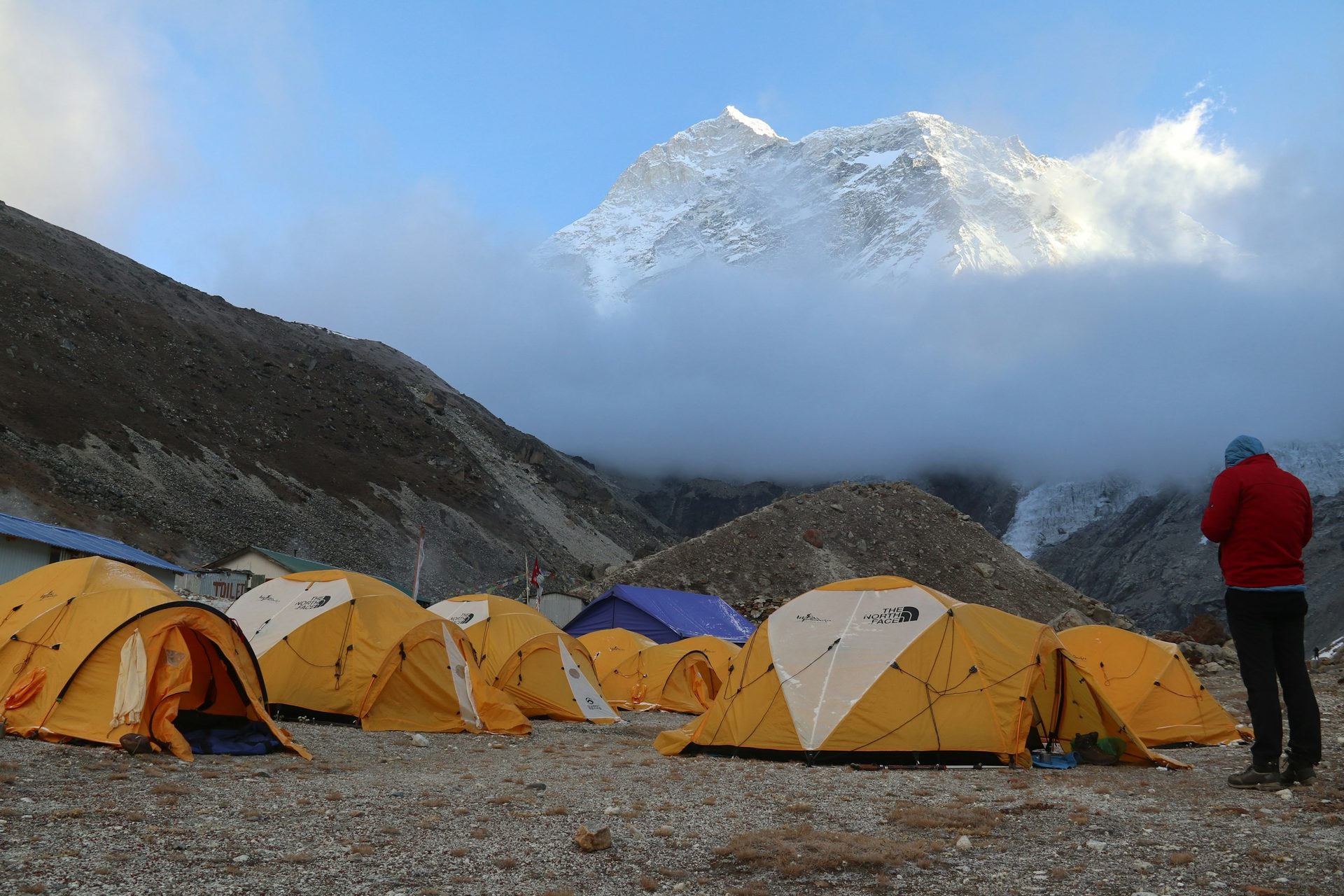
- Camping: While most trekkers stay in teahouses, you can still camp if you want a more off-the-grid experience. This means bringing tents, cooking gear, and hiring porters or a support crew, which makes it more costly and complicated.
Facilities and Amenities
- Toilets and Showers: Most places have squat toilets and cold showers. Hot showers are available in some teahouses, but usually cost extra. The lower you are, the better the bathroom facilities.
- Electricity and Charging: You’ll be able to charge your phone or camera in most teahouses. Just keep in mind that electricity may come from solar panels or generators, so it’s not always reliable, especially at higher altitudes.
- Wi-Fi: Some teahouses offer Wi-Fi in larger villages, such as Machha Khola, Jagat, or Namrung. It usually comes with a fee, and the connection can be slow or unstable.
Room Setup
- Room Type: Most rooms feature two single beds, providing a twin-sharing style.
- Bedding: You’ll receive a bare mattress, pillow, and blanket. But the blankets might not be warm enough, especially at high altitudes, so it’s a good idea to bring your own sleeping bag.
- Shared Bathrooms: Bathrooms are shared with other trekkers unless you’re in one of the few lodges with attached toilets.

What Rooms like?
Rooms on the Manaslu Circuit Trek are usually basic and made for two people to share. You’ll find two single beds in most rooms, each with a mattress, pillow, and blanket. However, the blankets can be quite thin, and the increasing altitude can make it very cold at night, so it’s a good idea to bring your own sleeping bag to stay warm. Bathrooms and the dining room are usually shared with other trekkers.
In the evenings, you’ll often gather with others around the stove, share stories, and enjoy the cosy atmosphere.
What to Pack for Food, Drink & Stay?
To wrap up, the Manaslu Circuit Trek is a breathtaking adventure offering stunning mountain views and rich cultural experiences. The food, drinks, and accommodations are simple yet sufficient to keep you strong and comfortable. Bringing the right snacks, clean water, and a good sleeping bag will help you enjoy your trek more.
If you want to explore this special trail with help from experts, Nepal Vision Treks is ready to guide you.
Get in touch with Nepal Vision Treks today and start planning your Manaslu Circuit Trek!
FAQS
What kind of food can I expect on the Manaslu Circuit Trek?
Is clean drinking water available on the trek?
What type of accommodation is available?
Do I need to bring a sleeping bag?
Are vegetarian and vegan food options available?
Can I find snacks and energy foods along the trail?
Is electricity available for charging devices?
Is Wi-Fi available during the trek?
Can I drink alcohol on the trek?
How much water should I drink daily on the trek?