



The Mundhum Trail: Nepal's Sacred Cultural Trek Through Kirati Lands – Complete Guide
 Nepal Vision Treks
 Mar 25, 2026
 17 Min Read
Nepal has no shortage of trekking routes, but most of them lead to the same crowded ridge. The Mundhum Trail is not. This trail was inaugurated by the Government of Nepal in January 2018 and cuts through the eastern hills of the country, which have been inhabited by the Kirati people throughout centuries, but are virtually unknown to mainstream adventure tourism.
This route is named after the Mundhum, the sacred oral text of the Kirati folk, and the name is deliberate.
All the places along this path hold strong spiritual and ancestral significance for local people who have inhabited these areas since the time when Nepal as a nation did not exist. To those trekkers who seek something beyond mountain scenery, who seek to master a culture, not to cross it, this trail has something to offer.
What is Mundhum? Understanding the Spiritual Backbone
Mundhum is the name of the holy oral manual that defines the social, spiritual, and ethical life of the Kirati people. It is not a religion as such; rather, a body of living knowledge passed down through the shamans and elders known as Nakchhong or Phedangma. It includes not only the ceremonies of birth and married life but also the politics of living in harmony with nature and all the morals of agriculture.
Mundhum is based on the worship of ancestors and animals. Mountains, rivers, forests, and lakes are not mere geographic formations but living things with a spiritual connection. Such a view of the world is why the most significant landmarks on the trail are natural ones: sacred lakes, ridge viewpoints, and cave shrines. The map is the Bible.
To an outsider, an experience with the Mundhum culture is a real anthropological experience. It is considered one of the oldest indigenous knowledge systems and continues to be practiced in the Himalayas.
Where is the Mundhum Trail Located?
The trail traverses four districts in eastern Nepal: Bhojpur, Khotang, Solukhumbu, and Sankhuwasabha. Its position is about 250 to 300 km east of Kathmandu, as you may start.
It is most frequently accessed via Halesi (in Khotang district), and Diktel Bazaar is reachable by road from Kathmandu. Tumlingtar has a domestic airport and provides a second entry point on the east. The trail is marketed as one of the 100 destinations in the Nepal, 100 Tourist Destinations project, a government-recognized trekking trail, though virtually devoid of the permit system found in other, more well-established trails.
Major Sections of the Trail
The route covers approximately 80 km, and international trekkers normally take between 12 and 14 days to complete the trail, although well-acclimatized Nepali trekkers can do it in as few as 10 days.
- Itinerary: Starting at Halesi Mahadev, one of the most venerated cave temple complexes in eastern Nepal, the route may proceed either by car or foot to Diktel Bazaar, the seat of government of Khotang. The official starting point of the trail at Diktel is the village of Chakhewa, at an elevation of about 2,300 meters.
- Diktel to Salpa Pokhari: Here is the heart of the trek in culture and place. Chakhewa to Dhotre (2,752m) to Maiyung or Hans Pokhari (3,120m) to Hyakule, Rawadhap (3,426m), Salpa Bhanjyang and Salpa Pokhari (3,672m). This part passes through thick rhododendron woodlands, bare ridges, and various Kirati villages.
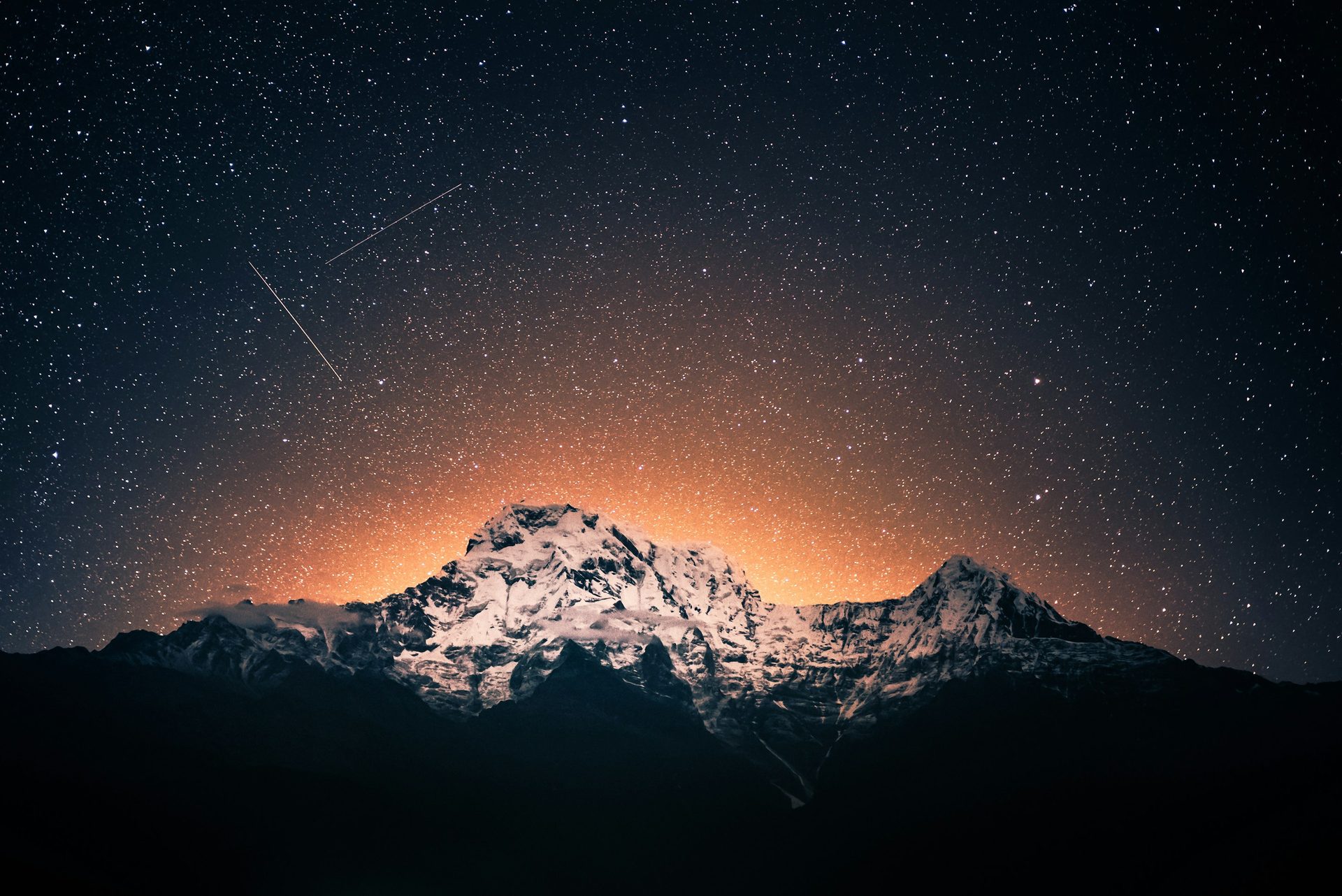
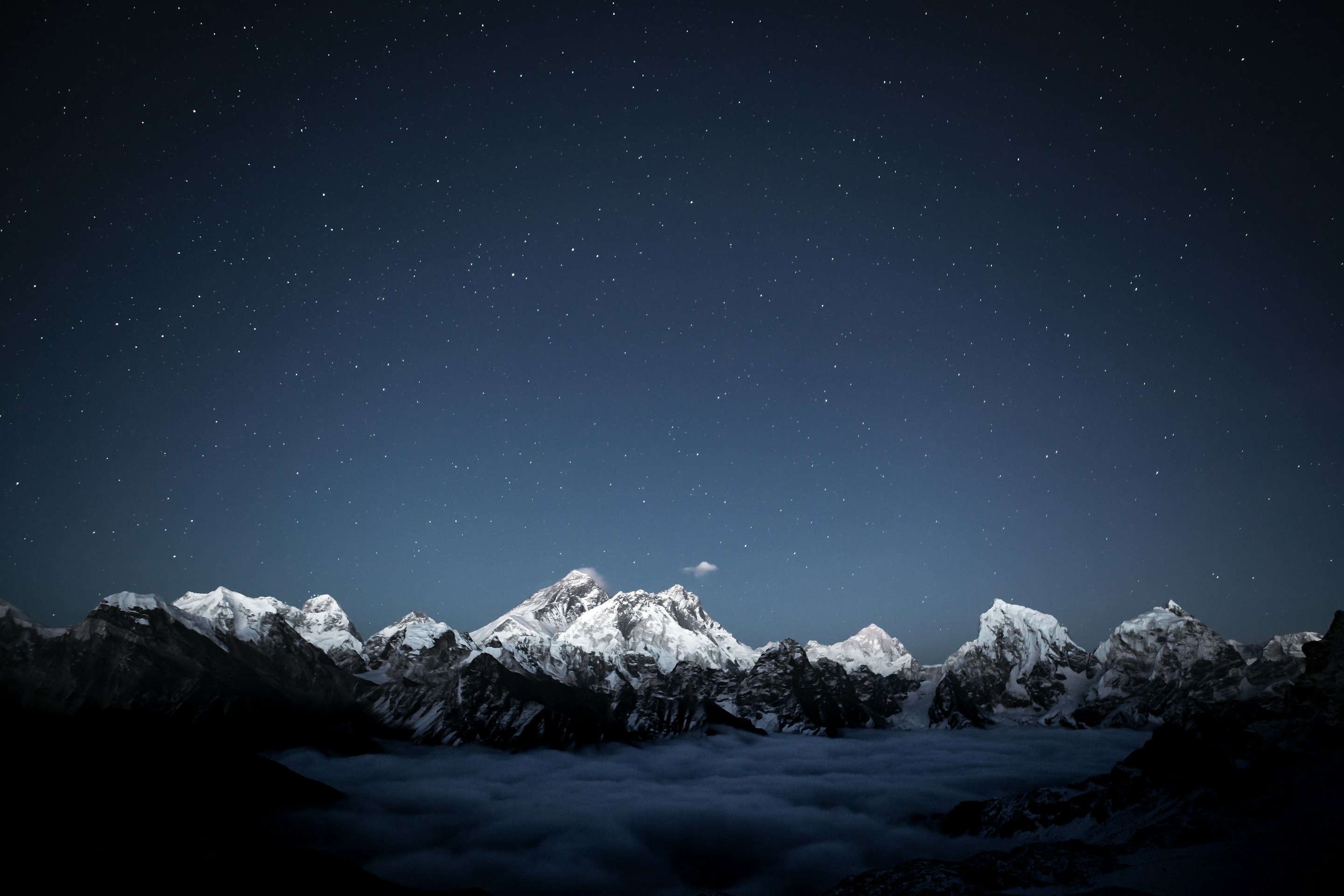
- Salpa Pokhari to Arun Valley and Bhojpur: The trail's highlight is Silichung Peak at 4,153 meters, with panoramic views of Everest, Lhotse, Makalu, and Kanchenjunga. Its descent leads to the valley of the Arun River and ends in the Bhojpur Bazaar seat of traditional Khukuri knives. Trekking in Bhojpur can be flown out by helicopter to Tumlingtar or driven back to Kathmandu.
Key Highlights Along the Route
In addition to the sacred sites, the route includes working villages where day-to-day life unfolds before our eyes: terraced fields, yak grazing on high pastures, and the cycles of subsistence farming. In the forested areas, wildlife can be seen, including red pandas, musk deer, and Himalayan tahr. The ridge-walking passages offer unending Himalayan vistas unmatched by those on the Everest or Annapurna trails.
Cultural Experience on the Mundhum Trail
There are several Kirati subgroups residing in the eastern hills. The largest and most significant culturally on the Mundhum Trail are the Rai and Limbu communities. Other communities that inhabit portions of the route include the Sunuwar and Yakkha. They have different dialects, clothing styles, and even rituals, yet all follow the broader Mundhum philosophical structure.
These form some of the oldest indigenous ethnic groups in Nepal, and historical data indicates they have been in this part of the land long before the influx of other Hindu and Buddhist cultures.
Cultures, Celebrations, and Life
Shamanism is still practised in these societies. Known as Nakchhong (Rai shaman), the Nakchhong still performs rituals related to the healing, harvests, and communication with ancestors. By scheduling your walk to coincide with local festivals, you might be lucky enough to experience Sakela, a Rai festival held twice a year featuring unique Sili dance shows, or Chasok Tangnam, a Limbu harvest festival that includes community feasting and dancing.
Eating on the road is easy and nearby: dhido ( buckwheat or millet porridge), gundruk (fermented leafy vegetables), local rice, and vegetables of the day. A Limbu speciality worth trying is millet-based Tongba (fermented millet beer sipped through a straw). In smaller villages, the main form of accommodation is the homestays, most of which are community-run, so whatever you spend goes straight to local families.
Sacred Sites and Spiritual Landmarks
- Halesi Mahadev Cave: Halesi Cave in Khotang is considered one of the sacred places in eastern Nepal, and is worshipped by Hindus, Buddhists, and Kiratis alike. The cave complex features a variety of natural rock formations associated with the worship of Shiva, and it is believed that Gautam Buddha also meditated there. Thousands of pilgrims visit Halesi during festivals such as Shivaratri and Balachaturdashi.
- Salpa Pokhari: The most spiritually charged place in the trail is this at 3,672 meters. The lake is considered sacred among Hindus and Kirati. Pilgrims come in every year, particularly during the full moon. Its location and altitude make this one of the most memorable overnight stops the whole way through.
- Temke Danda: A perspective at 3,010 meters towards the beginning of the trail. It is possible to view Everest, Makalu, Chamlang, and Numbur here on a clear morning without the jostling of people that crowds the more popular viewpoints west.
- Silichung Peak (4,153m): The summit of the hike. The panoramic view from the summit is 360 degrees and covers much of the eastern Himalayan isthmus, arguably offering a more intimate viewing experience than the busier summit viewpoints on commercial trails.
Mundhum Trail Difficulty Level and Trekking Conditions
The Mundhum Trail is of medium grade. The average time on the road is 5 to 7 hours per day, and the total elevation gain is evenly distributed along the route. The top elevation is 4,153 meters, and this part can be reached without any technical climbing, though good physical condition and an understanding of altitude sickness above 3,000 meters are required.
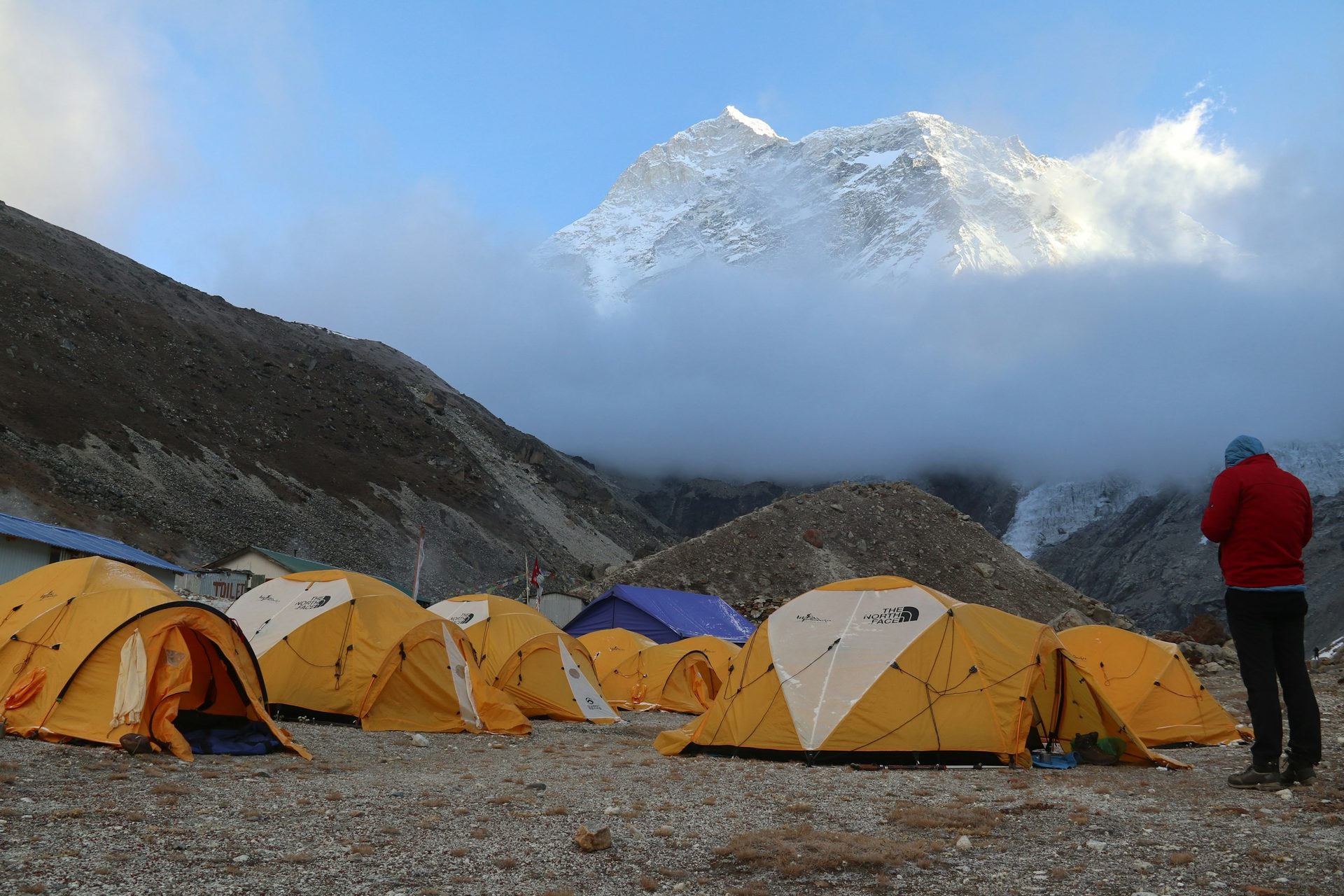
The more serious challenge has been the remoteness. There are no teahouses in some of the high areas, so camping equipment is needed. Village-to-village tracks may be poorly marked, and as a result, a licensed guide is not optional but a necessity. There are virtually no medical facilities other than Diktel and Bhojpur. Trekkers are supposed to be equipped with a simple first aid kit and travel insurance with helicopter evacuation.
The best seasons are spring (March-May) and fall (October-November). Watch out for express closures at higher elevations due to winter; during the monsoon (June-September), anything could be muddy and troublesome.

Permits and Entry Requirements for Mundhum Trail
To the best of our knowledge, no specific trekking permit is required to walk the Mundhum Trail, a fact that contributes to its attractiveness. Depending on your route, however, the following may be necessary:
Foreign trekkers generally need a TIMS (Trekker's Information Management System) card in Nepal. An entry permit to the Makalu Barun Conservation Area is needed if your route passes through or near it, as some routes do. Local fees may also be charged by the Khumbu Rural Municipality. Make sure your trekking agency confirms your current requirements before you go, as Nepal's permit regulations keep changing over time.
How to Reach the Mundhum Trail from Kathmandu
It is most easily done by driving from Kathmandu to Halesi (about 223 km, 79 hours), then taking a local jeep to Diktel (another 37 km). Alternatively, fly to Tumlingtar Airport in Sankhuwasabha, then take the trail along the eastern side and head towards Bhojpur.
Cost-conscious trekkers use shared jeeps in the bus park at Kathmandu; in private cars, it is quicker and more comfortable. It also has a domestic airport in Bhojpur with irregular flights.
Transportation Challenges
The road system in Eastern Nepal is incomparably inferior to the highways to Pokhara or the Solukhumbu road. Landslides can block roads during and after the monsoon. Add at least a day or two of buffer days into your schedule to account for delays, particularly when you are making a domestic connection.
Internet Access and Services on the Trail.
Mobile network coverage is good in large villages, but it vanishes in forested areas and at high altitudes. Coverage in rural eastern Nepal is also higher in Nepal Telecom than in Ncell. Do not count on the network above Dhotre.
Electrically powered teahouses are charged, whereas lodges that rely on the sun might limit this when there is a cloud over. Bring a power bank. WiFi is mostly nonexistent outside of Diktel and Bhojpur. Healthcare is poor: the closest medical facility at the start of the trail is Diktel Hospital. In case of serious emergencies, helicopter evacuation is the only possible variant at the altitude.
Why Choose the Mundhum Trail Over Popular Treks?
Everest Base Camp and the Annapurna Circuit are magnificent treks, and both have been overtaken by commercialism. Teahouse lodgings along the Everest trail system have replaced mid-range hotels; crowds during the peak season create queues at scenic spots.
The Mundhum Trail is a true solitude. Most days, you will be alone on the trail except when there is a local farmer or pilgrim. It is not a cultural showbiz presentation of tourism, and you are in communities that are going to do their own thing. Salpa Pokhari does not contain any souvenir stalls. Local festivals do occur, whether or not a trekking group is present.
The cost is comfort and predictability. The number of teahouse options is limited, camping is necessary in some cases, and logistics require careful planning. This is not a compromise to trekkers who would not mind having fewer amenities, provided they are in the wilderness.
Practical Tips for First-Time Visitors
- Guides and Porters: It is highly advisable to employ a licensed local guide, and in certain areas essential to do so because of ambiguous trail markings. The value of a Kirati community guide is invaluable and cannot be added to any guidebook. Nocturnal is found in Diktel and Bhojpur.
- Language: The common language of the trail is Nepali. In the village, Rai and Limbu are spoken. Some guides and younger residents speak English, but English is not commonly spoken in remote communities. It is welcome and helpful to learn simple Nepali greetings.
- Cultural Mannerism: Do not take pictures of people without their consent, especially during rituals. Take off your shoes before going to houses. It is polite to accept tea or food that is offered. Shrines, ritual objects, and sacred items are not to be touched, except when one is invited to do so. Mutual respect for natural spaces is highly valued in the Mundhum tradition, which does not litter around sacred lakes or forests.
To wrap up, the Mundhum Trail is one of the most complete experiences Nepal offers. It combines serious mountain scenery, genuine cultural immersion, meaningful interactions with indigenous communities, and the quiet satisfaction of walking a route that most visitors to Nepal never discover.
Let’s Turn Your Trekking Plan into Reality
Contact Nepal Vision Treks today and start your journey into the Himalayas with a team that understands both the mountains and the culture
FAQS
What is the Mundhum Trail and why is it unique?
How long does the Mundhum Trek take?
What is the highest point on the Mundhum Trail?
Do I need any permits for the Mundhum Trek?
When is the best time to do the Mundhum Trek?
Is the Mundhum Trail suitable for beginners?
Do I need a guide for the Mundhum Trek?
What kind of accommodation is available on the trail?
How do I get to the start of the Mundhum Trail?
What should I pack specifically for the Mundhum Trek?