



Rolwaling Trek vs Everest Base Camp: Which Himalayan Adventure Should You Choose?
 Nepal Vision Treks
 Jul 14, 2026
 14 Min Read
The Nepal Himalayas are one of the best trekking destinations in the world, and among the two routes that trekkers may find difficult to decide, the Rolwaling Trek is one of them, along with the Everest Base Camp (EBC) trek. One is an unadorned and remote experience, and the other is an iconic trip to the base of the world's highest peak.
Both treks are in the same geographic area of Nepal, both traverse a Sherpa village, and both offer breathtaking views of the mountains, but each one is completely different from the other to experience. First, we'll briefly consider each trek and what its main attractions are, and then we'll discuss all the significant differences between them so you can determine which one might suit your travel style, fitness level, and goals.
What Is the Rolwaling Trek?
The so-called "Valley of Gods" is the Rolwaling Valley in the district of Dolakha, to the west of the Khumbu Valley, which is also known as the "Valley of the Queen. It is one of the most remote and little-known trek locations in the country, in part because there is no airstrip available, and it takes a longer trek on foot or by jeep before the actual trek begins.
The hike passes through thick forests, glacial lakes, and into a narrow, scenic valley surrounded by majestic summits such as Gauri Shankar (7,181 m) and Melungtse. As they trek, they come through the small traditional Sherpa villages, in which yak farming and subsistence agriculture are still alive today, like Simigaon, Beding, Na, and others. Many itineraries extend down to the base of the biggest glacial lake, Tsho Rolpa, Nepal (5,655 m), and then over the high and technical Tashi Lapcha Pass (5,755 m) directly into the Khumbu region.
Highlights of the Rolwaling Trek
- Minimal tourist facilities, a true wilderness experience.
- The Tsho Rolpa glacial lake and picturesque hanging valleys
- Sheep herding and village life in a true and pristine state
- Close-up photographs of the mountains Gauri Shankar and Melungtse.
- It is possible to cross the challenging Tashi Lapcha Pass into the Khumbu.
- The trail is extremely lonely, with very few other trekkers along the way.
What Is the Everest Base Camp Trek?
The Everest Base Camp Trek is the world's most popular trek with tens of thousands of trekkers visiting annually. The trip typically starts with a short flight into Lukla, one of the world's most dramatic airport landings, which is usually fraught with tension and excitement. From then on, the trail goes up and up through the Khumbu area, through the thriving Sherpa hub of Namche Bazaar and the Tengboche monastery, the villages of Dingboche and Lobuche, and then all the way up to Everest Base Camp at 5364m.
Most trekkers also trek to the nearby viewpoint of Kala Patthar (5,545 m) to take the grandest unobstructed panorama of the summit of Mount Everest, which is not available from Base Camp – hidden behind the surrounding ridgeline.
Highlights of the Everest Base Camp Trek
- Face to face with Mount Everest, its peaks of Lhotse, Nuptse, and Ama Dablam.
- The fabled Khumbu Icefall and Everest Base Camp itself
- Early morning sunrise from Kala Patthar.
- As you head up to this beautiful village, you'll pass through the historic Tenways monastery and the town of Namche Bazaar.
- Mature teahouses with showers (hot), a bakery, and internet access.
- A bucket list moment that is recognized all over the world.
Differences Between the Rolwaling Trek and the Everest Base Camp Trek
With their visuals on the ground in mind, let's explore the following differentiating factors of each trek: difficulty, crowds, permits, cost, infrastructure, scenery, etc.
Difficulty Level
This can be compared to the Everest Base Camp trek, which is much easier. The trail is more out of condition, less maintained, and prone to loose rock, moraine, and unstable terrain, particularly after Tsho Rolpa. If you are planning to cross the Tashi Lapcha Pass, then your trip is going to be a bit more of a technical and challenging pass at high altitude, with glacier travel and, in some instances, the use of crampons and ropes, something that would not necessarily be considered trekking but more like a peak mountaineering experience.
Everest Base Camp, on the other hand, is difficult primarily due to the height and not the terrain. The trail is also broad, clearly marked and used by thousands every season, so you will never have to wonder where to turn or how to find assistance if necessary. Trails are gradual and well-developed, and daily walking time is 5 to 7 hours.
Altitude and Acclimatization
Both walks are significant in terms of altitude, but this is done in different ways. EBC is at its highest elevation points at Kala Patthar (5,545 m) and Everest Base Camp (5,364 m), and the trek is a popular one, so guides, teahouses, and rescue services are used to dealing with altitude sickness. There are acclimatisation days built into both Namche Bazaar and Dingboche.
Rolwaling's highest peak, the Tashi Lapcha Pass, is even higher at 5,755 m, and the area is remote, so acclimatisation must be handled more carefully and thoughtfully, and there may be less room to make mistakes if things go wrong. Don't minimise this difference, as a rescue in Rolwaling can take a lot longer than in the busy Khumbu.
Crowds and Trail Traffic
This is one of the most glaring differences between the two treks. It is customary to share teahouses, dining halls, and viewpoints with dozens of trekkers at any given time in Everest Base Camp, and an enormous number of people hike up to this base during peak seasons. A frequent scene in photos from Kala Patthar at sunrise is lines of people waiting to get a good view of the sunrise.
Rolwaling only experiences a minor fraction of that traffic. You may well proceed on a trek that lasts for several days without meeting another foreign trekker. If you don't want to experience the commercialisation of the EBC or if you simply prefer a more contemplative and quiet trip through the mountains, then Rolwaling is the obvious option.
Scenery and Landscape Character
Both hikes are quite beautiful, but in different ways. A narrow valley of glacial lakes, hanging forests, and lesser-known, dramatic peaks, Rolwaling is wild, intimate, and secretive. The element of mysticism certainly brings appeal to photographers and travelers looking for pristine landscapes.
Everest Base Camp is the quintessential Himalayan view: the world's tallest peaks rising along the skyline, prayer flags fluttering in the wind, monasteries hugging the ridges, and stupendous Khumbu Icefall. It's iconic for a reason; the views are really that.
Cost Comparison
The trek to the Base Camp of Everest is generally costlier. The Lukla flight is expensive, regularly cancelled, and sometimes cancelled due to weather conditions, increasing costs, the price of teahouses and meals on the popular track, and compulsory entry fees such as the Sagarmatha National Park and Khumbu Pasang Lhamu Rural Municipality fees.
Overall, Rolwaling is more cost-effective due to the reduction of flight dependency and lower permit costs. However, because of its isolation, it is a must to have a very good and experienced guide rather than an option, and if you are planning to camp in parts of the route or the Tashi Lapcha Pass, you may require extra equipment and support, which can negate some of the benefits.

Permits and Regulations
A typical Rolwaling Trek includes the following:
- Gaurishankar Conservation Area Permit
- The Trekkers' Information Management System (TIMS Card)
- Crossing the restricted Tashi Lapcha Pass – a special permit
The following are usually included in Everest Base Camp Treks:
- Sagarmatha National Park Entry Permit
- Khumbu Pasang Lhamu Rural Municipality Entry Permit, Nepal.Khumbu Pasang Lhamu Rural Municipality Entry Permit (Nepal).
- For the specific route and rules when travelling, a TIMS Card is required.
The rules for permits may vary, so consult a registered trekking company or the Nepal Tourism Board before you leave.
Accommodation and Infrastructure
The EBC route is one of the world's most comfortable high altitude treks, having been developed for tourism over the past decades. Teahouses have private accommodation and hot showers, and in many villages, charging stations and even Wi-Fi, which can be a great asset after a long, hard day in the sun at high elevation.
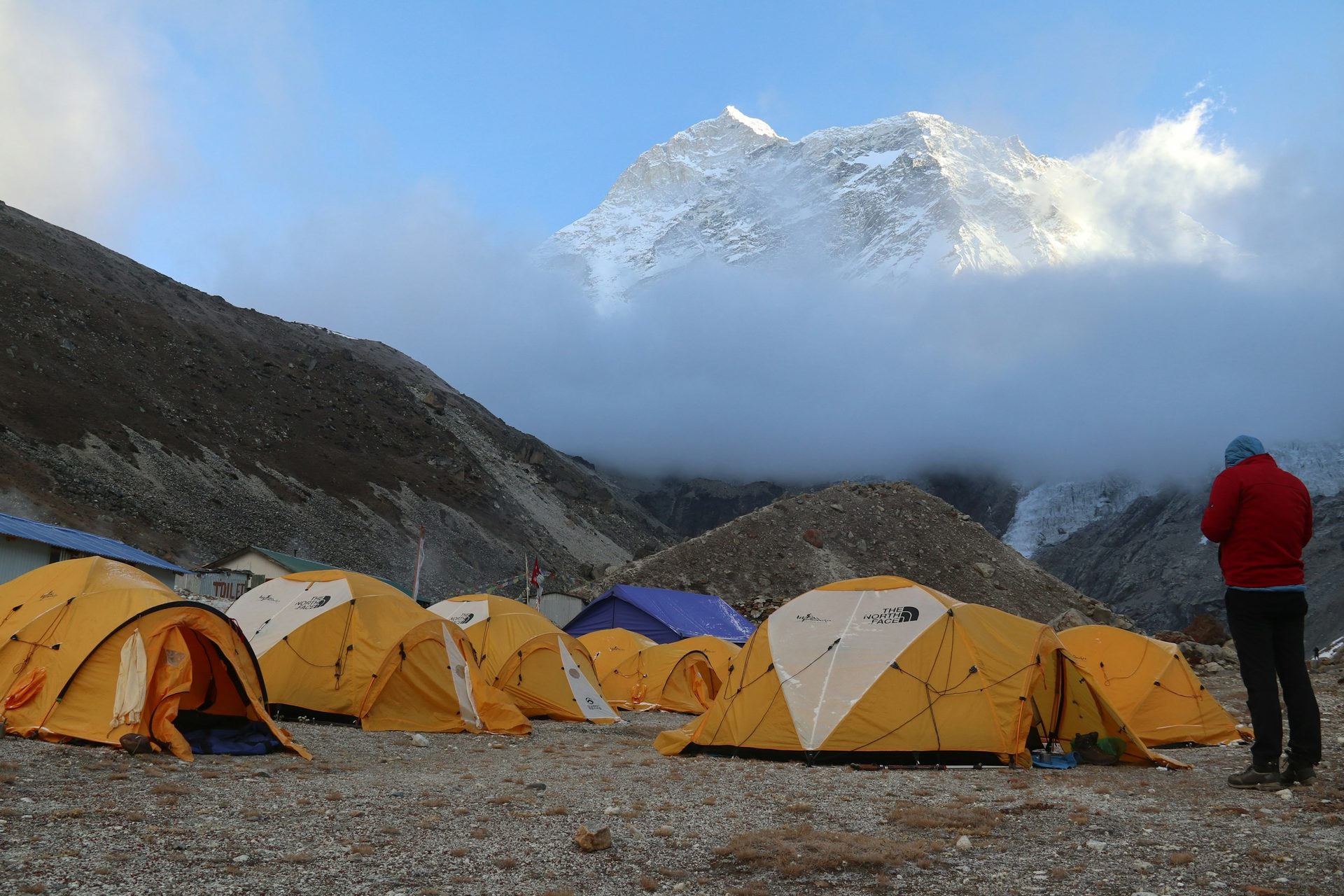
Rolwaling's infrastructure is much less developed. In villages such as Beding and Na, teahouses are available and are a place where one can get simple rooms and meals, but parts of the trek, especially around Tsho Rolpa and on the trail to Tashi Lapcha Pass, involve camping and even total logistics assistance from your trekking company, as the teahouses simply do not exist in this remote location.
Can You Combine Both Treks?
If you're an experienced adventurer, it is actually possible to join both areas together into one - an epic trek, through Rolwaling Valley, cross the technical Tashi Lapcha Pass to the Khumbu, then on to Everest Base Camp. It is a combined trek that brings together the best of both worlds: deep wilderness solitude and the majestic scenery of Everest, but requires great fitness, altitude experience, and a highly competent guide who has been exposed to the glacier crossing of the pass.
Which Trek Should You Choose?
Choose Everest Base Camp if you:
- Are you trekking in the Himalayas for the first time
- Desire a dependable teahouse facility and comforts
- Be unabashedly on the trail with other hikers
- Have you ever dreamed of doing a world-class bucket list experience?
- Choose a well-marked and defined route with acclimatization stops
You should select Rolwaling if you:
- Be experienced at mountain trekking or climbing at high altitudes
- Like to be left alone and to experience an off-the-tracks adventure
- Interested in experiencing untouched, traditional Sherpa culture
- Are familiar with basic accommodation or camping facilities.
- Looking for a more physical/technical challenge
To wrap up, the Rolwaling Trek and Everest Base Camp Trek both deliver incredible Himalayan adventures, but they're built for different kinds of trekkers. Everest Base Camp is the better choice for those seeking a world-famous journey with dependable infrastructure and a moderate difficulty curve. Rolwaling is the better choice for experienced trekkers chasing solitude, authenticity, and a genuinely wild, off-the-beaten-path challenge.
Whichever trail calls to you, take the time to assess your fitness level, budget, and appetite for comfort versus adventure — and choose a reputable, experienced trekking agency to help you plan a safe and unforgettable journey into the Nepalese Himalayas.
Ready to explore one of Nepal's most remote Himalayan valleys? Book your Rolwaling Trek with Nepal Vision Treks and experience an unforgettable off-the-beaten-path adventure.
FAQs
Is the Rolwaling Trek harder than Everest Base Camp?
Which trek has better views of Mount Everest itself?
Is the Rolwaling Trek suitable for beginners?
Do I need a guide for the Rolwaling Trek?
How many days does each trek take?