



The Spiritual Side of Manaslu Trekking: Monasteries, Festivals & Hidden Gems
 Nepal Vision Treks
 Aug 21, 2025
 9 Min Read
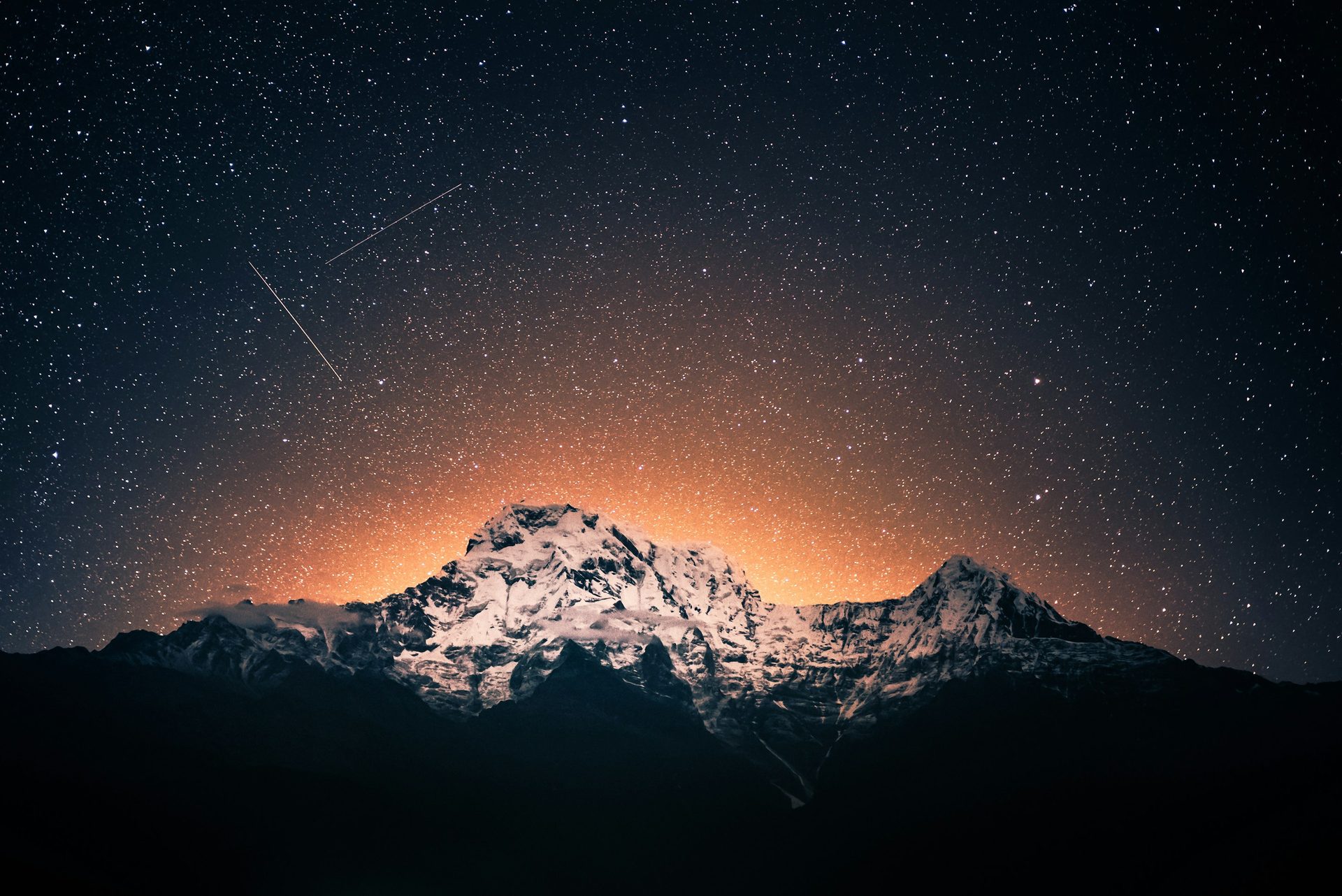
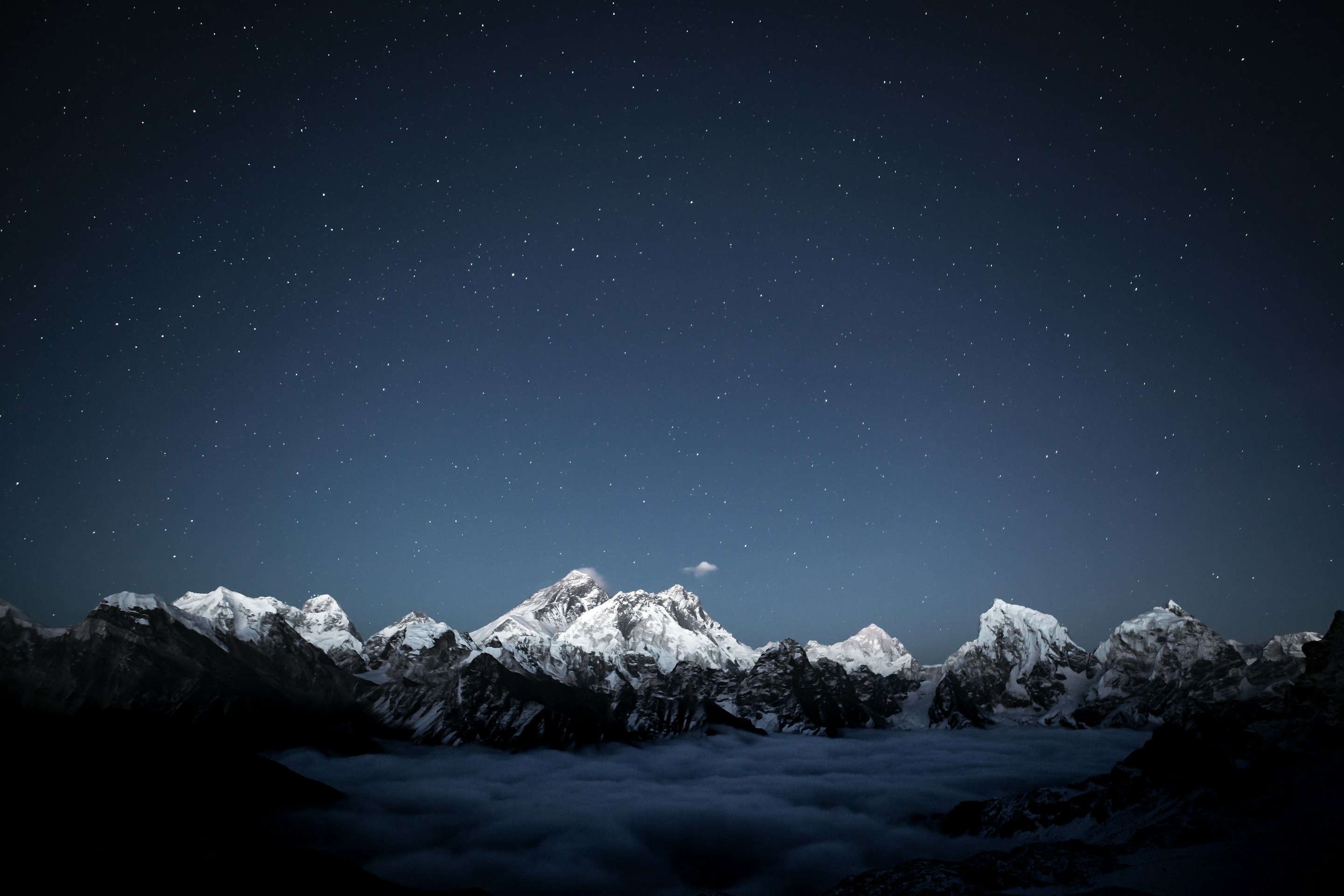
Manaslu trekking trail encircles the iconic Manaslu, which is also known as a blend of Tibetan Buddhist traditions, ancient monasteries, and sacred landscapes. As you navigate the rugged trails, you will step into a new world where raw natural beauty meets deep-rooted culture. The majestic snowy peaks glisten against the sky, and rivers make their way through gorges and the quiet valleys, opening to the appealing views of Manaslu, Himalchuli, Ngadi Chuli, Annapurna II, and Gangapurna, rising majestically and framing every step of your journey.
But the most fascinating part of the Manaslu trek is the cultural artifacts and aura of the region that have been preserved for centuries. The prayer wheels turn gently in the wind, mani walls bear sacred mantras etched by generations, and bridges draped with fluttering prayer flags tell stories older than memory.
Numerous aspects make Manaslu a spiritual journey for many trekkers. Join us to discover how spiritual traditions converge into a transformative experience, as we guide you through the spiritual essence of Manaslu.
The Spiritual Pulse of the Manaslu Trek
The Manaslu region is a sacred space in the lap of the Himalayas, where spiritual energy has flourished for centuries, nurtured by locals and travelers alike. Beyond the natural wonders, the ancient Tibetan culture and its artifacts leave a mark on every corner of the region, blending seamlessly to create a unique spiritual rhythm.
So let’s switch to exploration mode and begin our journey not just through tall mountains, but through centuries of faith, culture, and devotion.

Sacred Stops Along the Manaslu Trail
Now, the first part of the spiritual aspect of the Manaslu trail is the monasteries scattered throughout the region. Let us know more about them.
Ribung Monastery (Lho Monastery)
Located in Lho Village at 3,180 m, Ribung Monastery is one of the most important spiritual centers on the Manaslu trail. Those peaceful surroundings, spinning prayer wheels, and fluttering prayer flags create a serene atmosphere for visitors.
Besides, Ribung is especially famous for the annual Mani Rimdu festival, where monks perform sacred masked dances called cham. The festival brings the local community together and gives trekkers a chance to witness centuries-old traditions in action.
Pungyen Gompa (Shyala Monastery)
Near Samagaon, Pungyen Gompa is the largest and most significant monastery on the Manaslu Circuit. It is part of the Nyingma lineage and serves as both a meditation retreat and a spiritual hub for the local community. Daily rituals, prayers, and mountain blessing ceremonies are held here to make it an active center of faith.
The monastery contains ancient Buddhist scriptures, colorful thangkas, and prayer wheels. The best part is the appealing views of Mt. Manaslu and the surrounding peaks. One thing is for sure: Pungyen Gompa is a place where trekkers can feel the spiritual rhythm of the region up close.
Sama Gompa
Sama Gompa, near Sama Village, is a minor but equally significant site. Monks here perform daily rituals and prayers, creating a calm and reflective atmosphere. The monastery gives trekkers a chance to pause, meditate, and experience the spiritual life that is still very much alive in the Manaslu region.
Spiritual Legends and Stories
Every monastery along the trail is steeped in legend. Pungyen Gompa, meaning “adorned conch,” is believed to protect the mountains and valleys. Tales of guardian spirits and mountain deities weave through daily life, rituals, and festivals.
At Ribung, the Mani Rimdu festival transforms myths into motion, with masked dances retelling stories of wisdom and protection. Murals, thangkas, and relics bring these sacred narratives to life, letting trekkers experience centuries of spiritual heritage firsthand.
Festivals and Rituals of the Manaslu Region
The next part is about the festivals celebrated by the people throughout the remote region of Manalsy. This time is the part where trekkers can get an immersive glimpse into Tibetan Buddhist heritage and Himalayan village life

Manaslu Festival
Held every September, this festival honors Manaslu, the eighth-highest mountain in the world. Villagers celebrate with horse races, archery contests, traditional dances, and music performances. In addition to that, the colorful handicrafts and local foods add vibrancy to the festivities. At the same time, ceremonial scarves called khatas are offered around the statue of Manaslu as blessings for prosperity.
Lhosar Festival (Tibetan New Year)
Celebrated in late January or February, Lhosar marks the Tibetan New Year. Homes are cleaned and decorated with prayer flags, and locals dress in traditional attire. And to add magic to the celebration, the special meals of dumplings and butter tea are prepared. Monasteries host prayers, while conventional dances and music performances create an atmosphere of joy and renewal, welcoming the new lunar year with blessings and harmony.
Dumji Festival
Held in July to honor Guru Rinpoche, who introduced Buddhism to the region, Dumji features masked dances (cham), communal prayers, and festive feasts. The rituals demonstrate how the triumph of good over evil strengthens community bonds, allowing trekkers to witness centuries-old spiritual practices in action.
Yartung Festival
Taking place at the end of the monsoon season, usually in August, Yartung is known for lively horse races, archery contests, and traditional dances. It celebrates local culture and expresses gratitude to deities for the harvest, connecting communities through shared celebration and devotion.
Saga Dawa
Saga Dawa is one of the most sacred festivals, commemorating the birth, enlightenment, and death of Lord Buddha. Pilgrims light butter lamps, offer prayers, and visit holy sites along the trails. The festival adds a profound spiritual dimension to the trek to invite reflection and reverence in the Himalayan setting.
Hidden Spiritual Side Trips
While the main monasteries along the Manaslu Circuit are incredible, several lesser-known stops truly capture the hidden spiritual essence of the region. These side trips allow trekkers to step off the beaten path and experience moments of calm, reflection, and connection with the sacred landscapes.
Hinang Gompa Glacier
Hinang Gompa is the most remote meditation retreat located in the vicinity of a pure white glacier. The monks of the monastery that inhabit the space utter their prayers in a low voice, echoing in the cold valleys and feeling rustic and yet out of this world. It is a great spot to stop, meditate, and get in touch with the spiritual atmosphere of the Himalayas.
Birendra Lake
Birendra Lake is not merely a sightseeing attraction; it is a sacred location with its traditions and superstitions. The still, clear waters protruding out of the mountains usually endear them to trekkers as they believe they can purify them. It is pretty easy to imagine the years of faith and spirituality when you are seated on the banks of the lake with peaks coated with snow.
Manaslu Base Camp
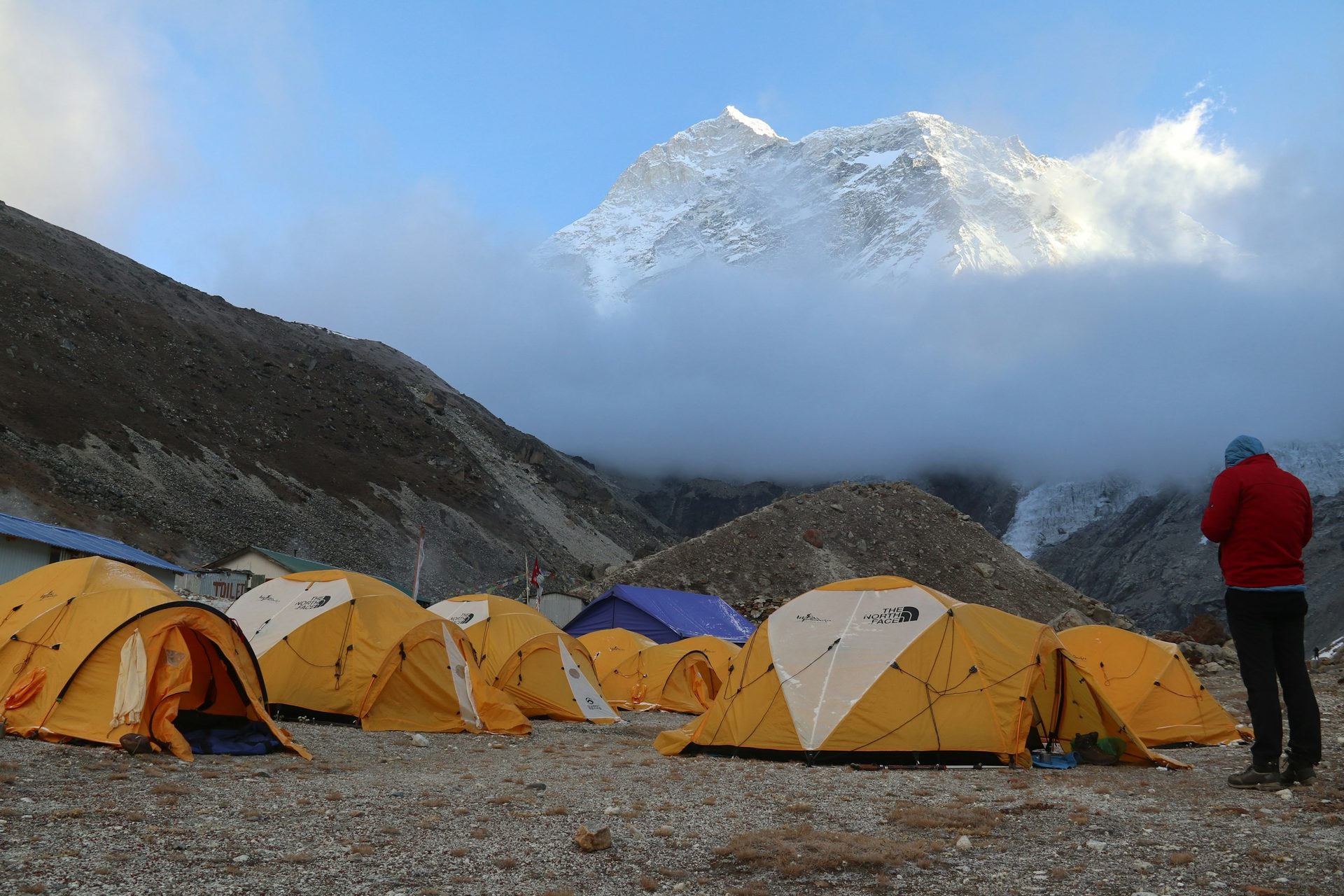
There is an eerie feeling of the mountain watching down on the people who come closer to the base of Manaslu. This is not just a trekking accomplishment- it is even a spiritual experience. The sheer presence of the peak can evoke contemplation, a sense of humility and wonder, and it is one of the most memorable experiences on the circuit.
Kal Tal (Death Lake)
Kal Tal is a mystic and a legend. It is dark and still waters that are known to contain life, death, and rebirth stories. All its windswept scenery and barren landscape contribute to its sacred beauty to making it a natural place of meditation and contemplation.
Inner Journey: Trekking as a Spiritual Practice
The Manaslu Circuit is not just a physical experience, but it can become a mental, even spiritual, experience. Slowly, with full attention to all that you hear, see and breathe, helps to be in the present moment and focused. The high paths, peaceful valleys, and moments in solitude allow us time to reflect and be introspective.
These ascents and these strenuous trails of steep routes replicate an intimate journey as they reflect patience, focus, and resilience.
The adventure and scenery that the trek consists of have the added benefit of creating an environment where mind, body, and soul can meet and get reacquainted with each other, so the trek itself is as much a journey of self-discovery as it is a journey through the Himalayas.
To wrap up, the Manaslu Circuit is more than a trek—it’s a journey through breathtaking landscapes, centuries-old traditions, and profound spiritual experiences. From the soaring peaks and winding rivers to ancient monasteries and hidden meditation spots, every step immerses you in a world where nature and spirituality flow together.
Let Nepal Vision Treks guide you through the heart of Manaslu. Explore hidden gems, local traditions, and serene landscapes. Book your trek today and discover a journey that stays with you forever.