



Why Nepal Is the Best Destination for Trekkers Around the World?
 Nepal Vision Treks
 Jun 13, 2025
 10 Min Read
Many trekkers around the world are always searching for new and exciting trails. Among these hidden trekking gems is Nepal, a peaceful country surrounded by some of the world’s tallest mountains.
But it’s not just the natural beauty that makes Nepal special. The rich culture found in its remote regions adds a deeper charm to every trekking journey. With so many trails to choose from, long, short, easy, or challenging, each route offers something unique. You might even get tired just trying to pick one!
The people in Nepal are warm and welcoming. Trekkers get the chance to experience local customs, taste traditional food, and take part in colorful festivals. This beautiful mix of nature and culture is what makes trekking in Nepal truly unforgettable.
So, how about we take a quick look at why Nepal might just be the next best trekking destination for adventurers from all around the world?
Is Nepal Really the Top Choice for Trekking Destinations?
As we said, Nepal stands as a top choice for trekking destinations, and it is now more than ever. There are several numbers showing the increase in tourists in Nepal to explore the gems of the Himalayas. Let's have a quick look at the plenty of reasons that make Nepal the top destination for trekking
Mountains That Define the Landscape
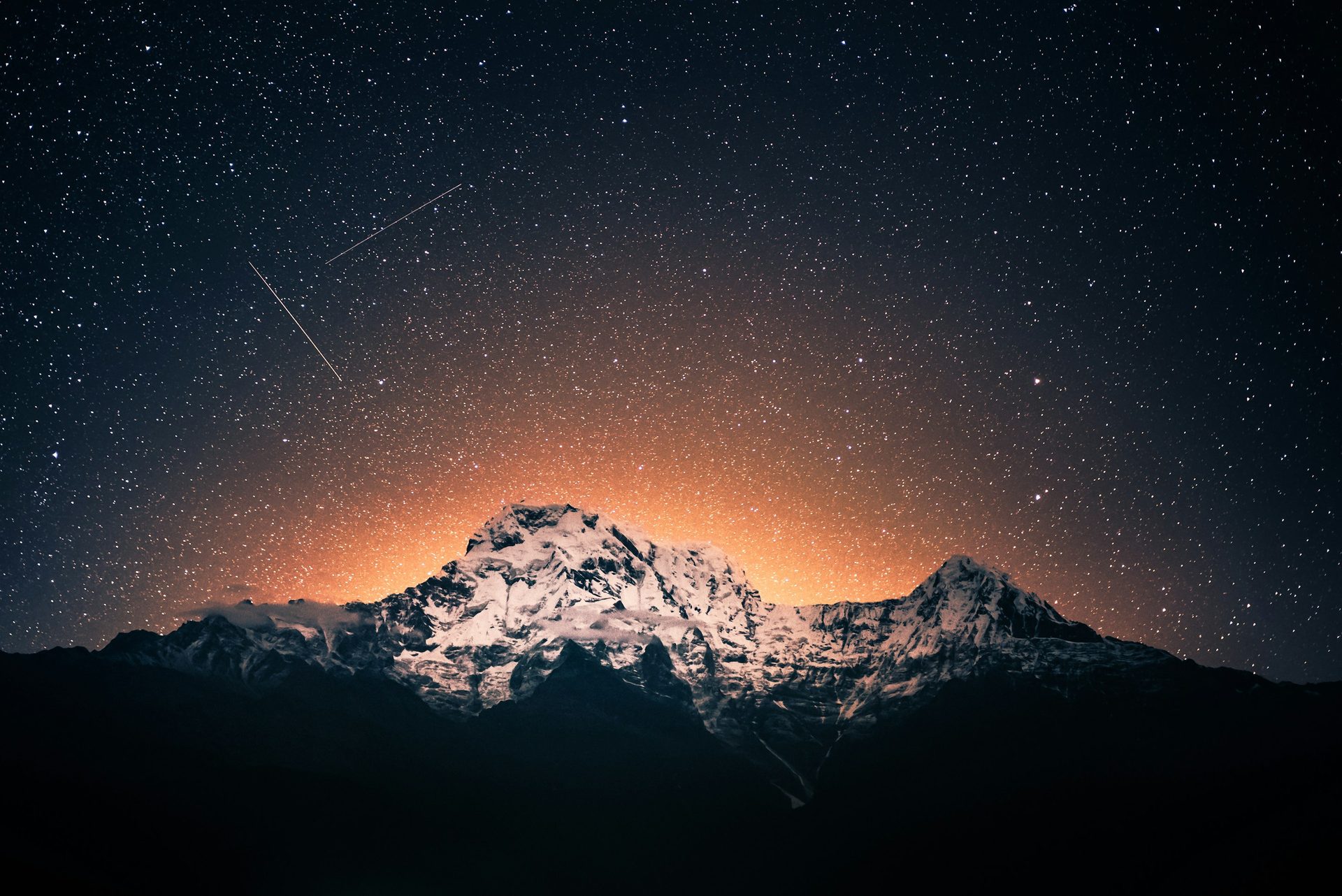
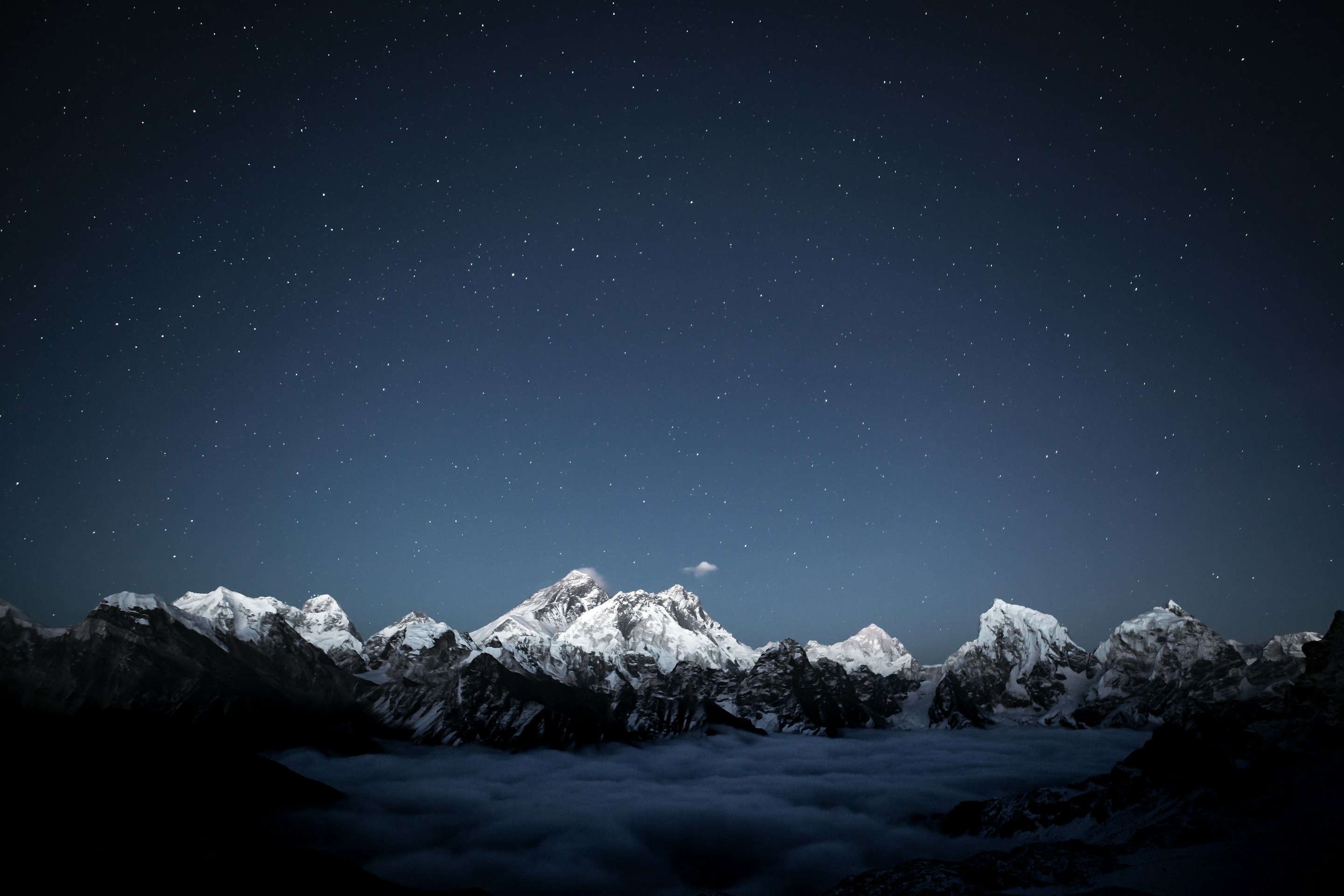
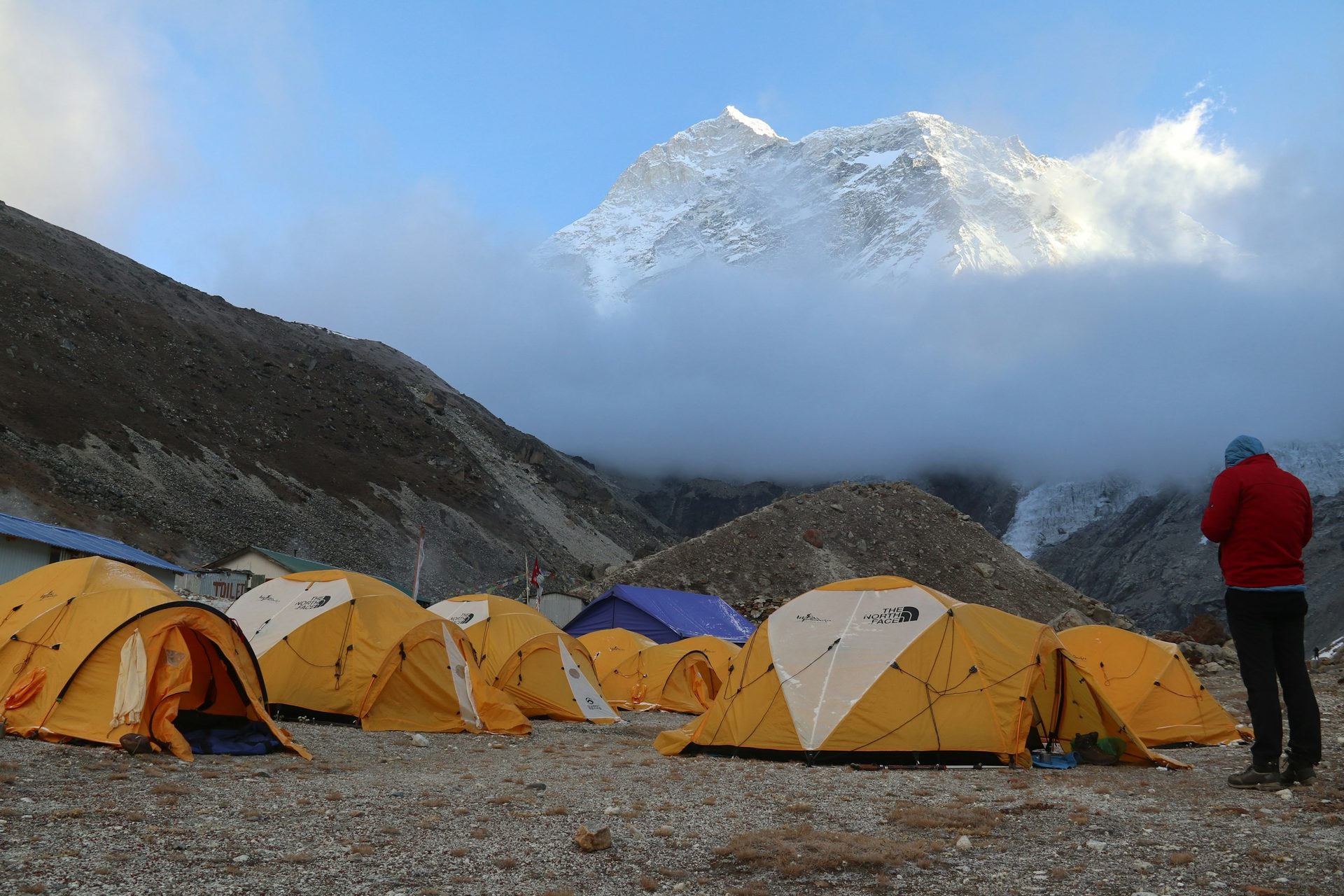
Nepal is known to be the home of the world’s tallest peak, Everest. But what people might not be aware of is that the place is home to more than 8,000 smaller and larger peaks, with plenty of trails and a lifestyle embedded in the lap of the peaks. Besides, it’s about the experience. Even the moderate trails offer breathtaking views of snow-covered peaks and wide mountain valleys.
Trekking Options for Everyone
With many peaks in the heart of Nepal, it is no surprise that he country has many options for trekking routes, from short and easy walks to long, high-altitude expeditions. Beginners can enjoy routes like Ghorepani Poon Hill or the Helambu trek, while more experienced trekkers might choose the Annapurna Circuit, Everest Base Camp, or Manaslu Circuit.
Culture Blended into the Journey
Interestingly, the greatest thing about the trekking journey is its rich culture and customs. The trekkers pass through those picturesque villages, scattered monasteries, and places filled with local traditions and religious practices.
Meeting local people and learning about their way of life adds meaning to the trek. It’s about understanding a different world.
Natural Beauty Beyond the Peaks
Similar to those towering and appealing peaks, the natural gems and aura of Nepal go beyond anyone’s imagination. During your trekking journey, you mark your way past the forests, rivers, waterfalls, and open meadows. Moreover, there are trails that run through protected areas rich in biodiversity—a chance to see rare plants and animals. Each day on the trail feels new, with changing scenery and fresh surprises.
Better Safety and Trekking Support
In recent years, trekking in Nepal has become safer and more organized. Since April 2023, most popular routes require trekkers to hire a licensed guide. This helps improve safety and ensures that travelers get the support they need.
In addition to that, there are also plenty of teahouses and lodges along the trails offering basic accommodation and meals. This makes it easier for trekkers to plan their journey without carrying too much.

Best Times to Trek in Nepal
There are plenty of seasons in Nepal that have different impacts on nature and the surroundings. This season decides what time you can plan your trekking journey in Nepal. Let us get to know it
Spring (March to May)
Bidding farewell to the harsh winter season nd welcoming the greenery in nature comes in the form of spring. The vibrant weather with comfortable temperatures, well-maintained trails, and long walking hours is characteristic of spring. The time when you can actually enjoy the trekking as nature and cultural charm reach their peak. Clear mornings with great views of the mountains, though clouds may gather in the afternoon.
Summer / Monsoon (June to August)
Following the warm weather and rainy season, the time when nature regains its beauty. But the harsh weather and unwanted rains can be a hurdle in the trekking regions.
The least popular season for trekking is hot and humid in lower elevations, with frequent rain showers and thunderstorms. Cloudy skies often block mountain views; landslides may affect travel in some areas.
But the one thing about this weather is that there are rain-shadow regions like Upper Mustang and Dolpo. These regions receive less rainfall and are still suitable for trekking.
Autumn (September to November)
Autumn is one of the times when Nepal welcomes most trekkers because of the appealing environment, colorful atmosphere, with the clear air and skies after bidding the monsoon away, the pleasant daytime temperatures and crisp, cool nights, and very little rain.
Besides, there are major festivals lined up this time for you to get a cultural bonus to your trip.
Winter (December to February)
A quieter season with colder weather, as winter brings cold temperatures and snow in higher altitudes. But it’s still a good time for trekking in the lower regions.
Cold mornings and evenings in those high altitudes; daytime is sunny and clear. The best part about the winter season is the lower trekking zones like Mardi, Ghorenpani Poon Hill trek that gives the stunning sow-covered peaks look stunning; fewer trekkers mean peaceful trails. Some high passes (like Thorong La or Larkya La) may be closed due to snow, but lower-altitude treks are still enjoyable.
Comparison with Other Leading Trekking Destinations
To wrap up, Nepal is one of the best places in the world for trekking. The country offers stunning mountain views, peaceful trails, and a deep connection to local culture. From short, easy walks to long, challenging routes, there's something for everyone if you're a beginner or an experienced trekker.
Trekking in Nepal has also become safer and more organized as it is journey more comfortable and rewarding journey.
Thinking about your next adventure? Choose Nepal Vision Treks to guide you through the Himalayas with care, knowledge, and experience.
FAQS
Do I need a permit to trek in Nepal?
Is it necessary to hire a guide or porter?
How difficult are the treks in Nepal?
How fit do I need to be for trekking in Nepal?
What kind of accommodation is available during treks?
Is altitude sickness a risk?
What should I pack for a trek in Nepal?
Can I rent trekking gear in Nepal?
Is it safe to trek in Nepal?