



How Difficult Is the Rolwaling Trek? A Complete Guide for Trekkers
 Nepal Vision Treks
 Jun 16, 2025
 9 Min Read
Rolwaling Trek is among the newest additions to the naturally and culturally alluring gems resting in the lap of the Himalayas. The raw and peaceful adventure is wild and quiet.
In the remote trails of eastern Nepal lies a hidden gem, located between the popular trekking routes of Langtang and Everest. Far away from the crowd, it passes through deep valleys and thick forests, crossing those wooden bridges over rushing rivers and making their temporary homes in tiny Sherpa villages, where life moves slowly and simply.
With a short drive to the village of Gongar, you begin your journey, passing through places like Simigaun, Dongang, Beding, and Na until you reach Tsho Rolpa, a stunning glacial lake that looks like it belongs in a dream. For those who want to push further, the trail continues over Tashi Lapcha Pass, one of Nepal’s highest and most difficult passes, connecting Rolwaling to the Everest region.
But here’s the real question: Is this trek for you?
That depends. This is not an easy trek. It’s long. It’s steep. It’s remote. Some days, there are no villages. Just you, the trail, and the mountains. You’ll need to be strong not just in your legs, but in your head. You'll need to be okay with cold mornings, tough climbs, and basic facilities.
So if you're up for the challenge, stay with us to get a more detailed breakdown of the Rolwaling Valley trek difficulty.
Rolwaling Trek Overview
The peaceful trail of the Rolwaling Valley Trek is a blend of naturally rich and culturally appealing routes. It brings together everything a true adventurer dreams of: high Himalayan peaks, deep forests, ancient villages, and the silence of wild nature.
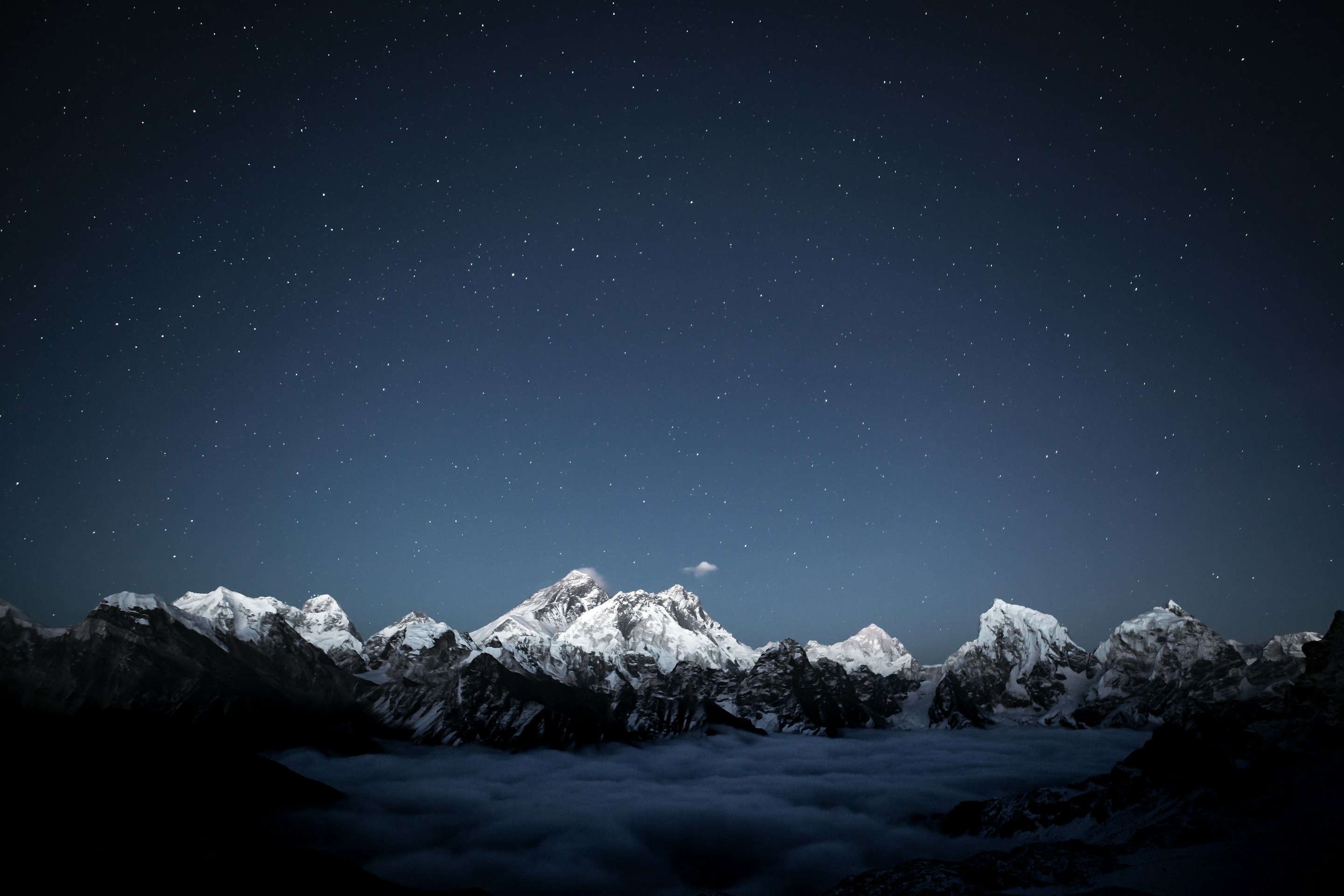
Taking the route of the off-the-beaten trail, you’ll walk beneath the cheerful peaks of Gauri Shankar, Ramdung, and Pachermo. From the summit of Pachermo Peak, located within the Rolwaling Himal range, you can see six 8,000-meter mountains: Everest, Lhotse, Cho Oyu, Makalu, Kangchenjunga, and Shishapangma, along with numerous other peaks above 6,000 and 7,000 meters all tucked between the Langtang and Everest regions.
Starting with a scenic drive from Kathmandu to Gongar, you begin your trek on a gradually rising trail decorated with mossy forests, waterfalls, and prayer flags fluttering in the wind. Reaching the peaceful village of Simigaun, a hub of Sherpa culture, you’ll find a quiet monastery nestled between wild greenery and a rushing river.
As you move deeper into the Rolwaling Valley, you’ll pass through Beding and Na, places where time feels frozen. These villages lie beneath towering peaks, with every corner adorned by ancient chortens, beautifully decorated mani walls, and colorful prayer wheels spinning gently in the breeze.
Eventually, you’ll reach Tsho Rolpa Lake, one of the largest and most beautiful glacial lakes in Nepal. With its turquoise waters set against snowy mountains, it truly feels like a dream.
If you’re one of those with a little extra adrenaline flowing in your body, the journey can extend over the Tashi Lapcha Pass (5,755m), a challenging and technical route that leads into the Everest region near Thame.
Highlights of the Rolwaling Trek
- The charming views of the Langtang and Everest peaks
- Scattered monasteries and fluttering chortens that add cultural charm to the trail
- Picturesque villages and the stunning glacial Tsho Rolpa Lake, surrounded by ice-capped mountains
- Lush rhododendron blooms in spring that light up the trail with color
- No crowds, just you and the calm of the high mountains
Is Rolwaling Valley Trek That Difficult?
While the challenge of the Rolwaling Valley Trek is what makes it so exciting and appealing, it's also what makes it challenging. There are several things along the way that add to its difficulty. So, what makes this trek harder than most?
High Altitude
Being at a higher altitude comes with its own set of challenges, and Rolwaling is no exception. As you move past the village of Na, the trail climbs sharply. The stunning Tsho Rolpa Lake sits at around 4580 m, and if you plan to cross the Tashi Lapcha Pass, you’ll be reaching a height of 5755 m.
At this altitude, it’s common to feel headaches, nausea, or shortness of breath, signs of altitude sickness. If you don’t take proper care, these symptoms can get worse and lead to more serious health problems. That’s why it’s so important to walk slowly, stay hydrated, listen to your body, and give yourself enough time to adjust as you climb higher.
Rugged Terrain
The raw and remote trail with constant changes is what you can expect to walk. The narrow paths, sometimes cut into cliffsides, rise and fall steeply. In addition to that, there are sections that might be slippery after rain or near waterfalls.
At higher altitudes, there are trails including rocky debris left by glaciers that are a bit difficult to cross. There are also several river crossings, often on simple wooden bridges or stones. You’ll need a strong footing and a good sense of balance to navigate these areas.

Remote and Isolated
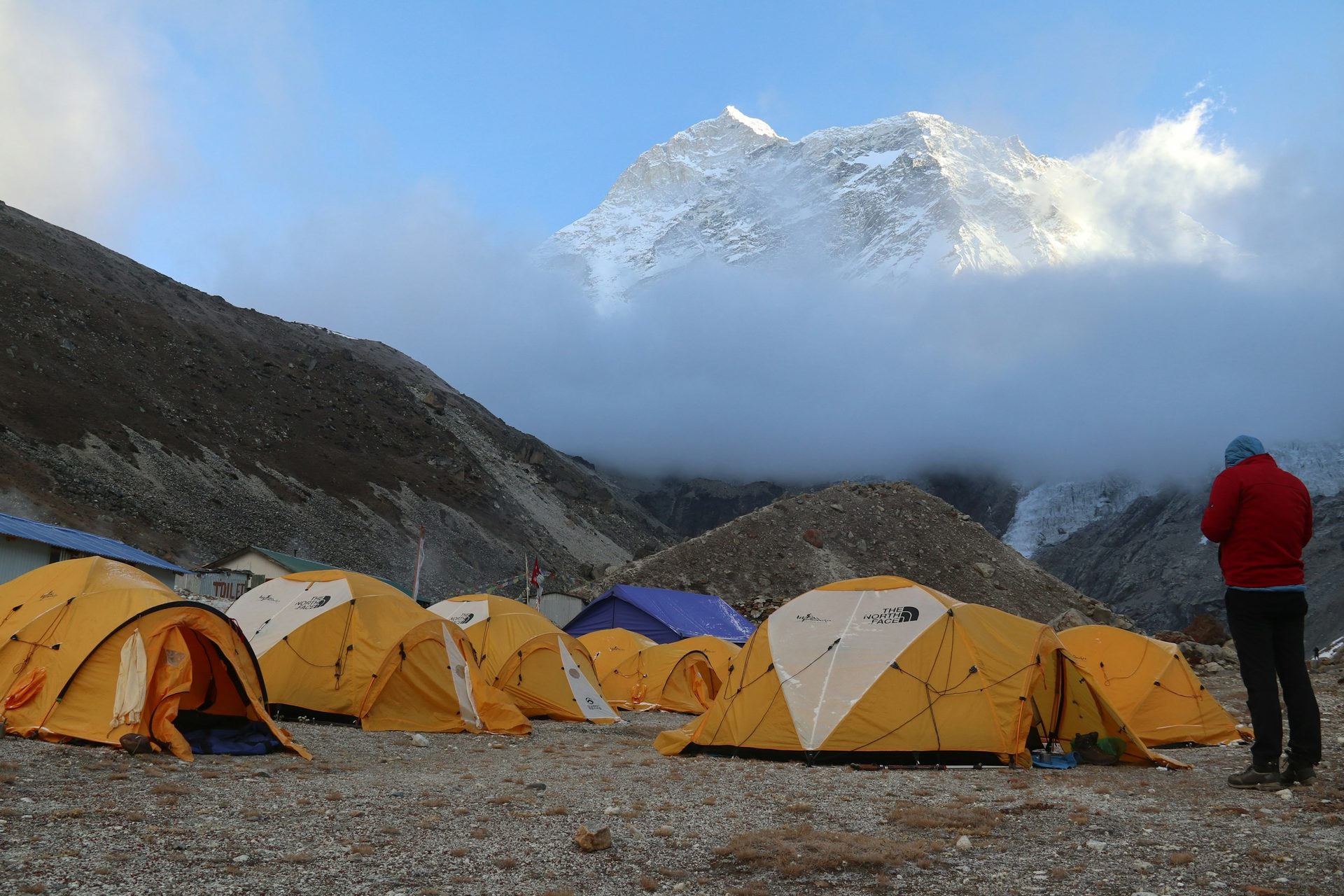
The peaceful and quiet region feels like a peaceful charm. But it also comes with its cons, as you will be far away if something goes wrong. There are few teahouses, so camping becomes necessary, and that means carrying extra gear or hiring a crew.
Medical facilities are almost non-existent once you pass the main villages, so even a minor injury or sickness can become serious. You need to be self-sufficient, well-prepared, and preferably traveling with experienced guides or support teams.
Technical Challenges at Tashi Lapcha Pass
The overwhelming part for the trekkers who are willing to go the extra mile can be crossing Tashi Lapcha Pass as it’s a technical mountaineering route. You’ll need basic climbing skills, and the proper gear: crampons, ice axes, ropes, and harnesses. Some parts of the pass may require you to climb with rope support or walk on icy ridges where one wrong step could be dangerous.
There is a caution that the section is not meant to be attempted alone. Even experienced trekkers are advised to hire a certified guide or mountaineering expert for this part of the journey. Without proper training and gear, the pass can be risky and overwhelming.
Is the Rolwaling Trek Worth It?
Yes, if you are seeking:
- A remote Himalayan adventure far from crowded trails
- Rich cultural encounters with Sherpa villages
- Unique natural features like Tsho Rolpa Lake
- A sense of real achievement by crossing a high-altitude technical pass
Not recommended for:
- Inexperienced trekkers or those without prior high-altitude experience
- Those looking for lodge-to-lodge comfort
To wrap up, the Rolwaling Valley Trek is a special adventure for those who want to explore the real Himalayas. You’ll see amazing views, learn about Sherpa culture, and face exciting challenges like crossing the Tashi Lapcha Pass. The trek is tough, but the experience is worth it.
If you want to enjoy this journey with the help of experts, Nepal Vision Treks can guide you every step of the way. Contact Nepal Vision Treks today and start planning your adventure!
FAQS
What is the best time to do the Rolwaling Trek?
How difficult is the Rolwaling Trek?
Do I need a guide for the Rolwaling Trek?
How long does the Rolwaling Trek usually take?
What permits are required for the Rolwaling Trek?
Is the Tashi Lapcha Pass technical?
What kind of accommodation is available on the trail?
What should I pack for the Rolwaling Trek?
Are there medical facilities on the Rolwaling Trek?
Can beginners do the Rolwaling Trek?